Personalized Korean Traditional Medicine & Dedicated International Patient Care


Female Reproductive System Disorder Care
Menstrual Pain (Dysmenorrhea)
Dysmenorrhea, or menstrual pain, affects a significant proportion of women — ranging from manageable discomfort to severe, cycle-disrupting pain.
Schedule a ConsultationMenstrual Pain (Dysmenorrhea)
What Is Dysmenorrhea Treatment in Traditional Korean Medicine?
Dysmenorrhea, or menstrual pain, affects a significant proportion of women — ranging from manageable discomfort to severe, cycle-disrupting pain. Conventional pain management typically relies on NSAIDs or hormonal medications that suppress symptoms without addressing the underlying physiological drivers. For many women, this means months or years of recurring pain, increasing medication dependency, and an unresolved condition.
Traditional Korean Medicine (TKM) takes a fundamentally different approach. Rather than targeting the sensation of pain, TKM-based treatment identifies and corrects the specific biological imbalances generating it. At Kim Min Jung Oriental Medicine Clinic, this means a thorough investigation into the full spectrum of mechanisms that drive menstrual pain — from prostaglandin overproduction and estrogen-progesterone imbalance to immune-mediated pelvic inflammation and autonomic nervous system dysregulation.
This integrative model combines the diagnostic rigor of modern reproductive medicine with the restorative precision of Traditional Korean Medicine. The result is a treatment pathway that works with your body's own regulatory systems — addressing the cycle, not just the pain.
Who Needs Dysmenorrhea Treatment?
You may benefit from a specialized menstrual pain consultation if you recognize any of the following:
-
Period pain that begins before menstruation starts and persists throughout your cycle
-
Cramping severe enough to interfere with work, study, or daily activities
-
Pain that has progressively worsened over time or is no longer adequately managed by over-the-counter painkillers
-
Radiating pain from the lower abdomen to the lower back, thighs, or legs
-
Physical symptoms accompanying your period — including headaches, bloating, nausea, muscle pain, or significant fatigue
-
Psychological symptoms such as anxiety, irritability, insomnia, or low mood that intensify around your cycle
-
A diagnosis of or suspected endometriosis, adenomyosis, uterine fibroids, or irregular cycles
-
A desire to reduce reliance on painkillers and address the root cause of your menstrual pain naturally
-
Younger women (teens and early 20s) with increasingly severe or disruptive period pain
Whether your pain is classified as primary dysmenorrhea — driven by hormonal and prostaglandin imbalance without underlying disease — or secondary dysmenorrhea arising from a structural or pathological condition, a precise differential evaluation is the essential first step toward effective, lasting care.
**Meet The Specialist: Dr. Min-Jung Kim **
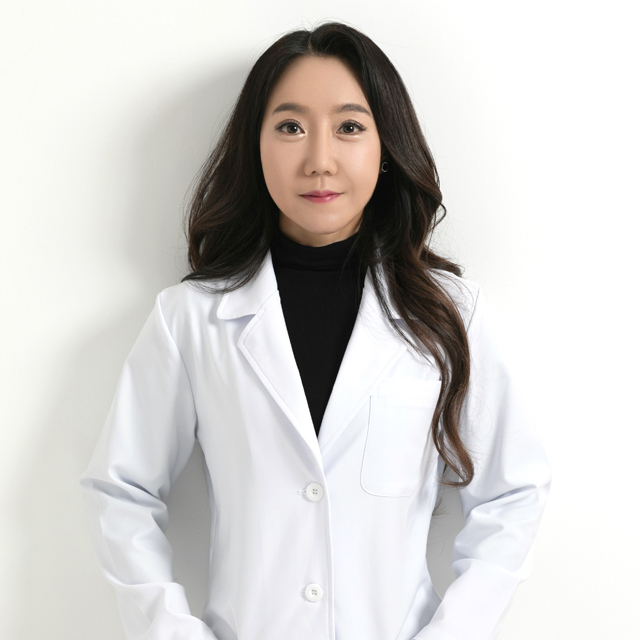
Dr. Min-Jung Kim, KMD, MD
Founder & Lead Practitioner
Dr. Min-Jung Kim, KMD, MD Founder and Lead Physician — Kim Min Jung Oriental Medicine Clinic
Dr. Min-Jung Kim brings over 20 years of clinical experience in women's health and integrative medicine, with a clinical focus on hormonal disorders, menstrual pain, and reproductive wellness. A Harvard Medical School alumna and holder of dual degrees in both Western Medicine and Oriental Medicine, Dr. Kim has built her practice on the conviction that lasting relief from menstrual pain requires a complete understanding of its biological origins — not a repeated cycle of symptom suppression.
Her advanced training spans Immunology, Genetics, and integrative bioscience, allowing her to evaluate the multifaceted physiological drivers of dysmenorrhea with a depth and precision that is rare in standard clinical practice. She is a two-time U.S. Senate Award recipient, reflecting both her academic distinction and her commitment to patient-centered care.
At Kim Min Jung Oriental Medicine Clinic, every patient is seen as a complete physiological individual. Dr. Kim's philosophy is straightforward: effective menstrual pain treatment must begin with an honest investigation of what is actually causing the pain — and treatment must be calibrated precisely to that investigation, not to a generalized protocol.
Treatment Areas & Expected Improvements
Prostaglandin-Mediated Uterine Hypercontractility
Excess prostaglandin production in the endometrium causes the uterus to contract abnormally — producing the intense cramping that defines primary dysmenorrhea. Dr. Kim's acupuncture protocol is specifically designed to modulate prostaglandin synthesis, reducing the frequency and severity of uterine contractions. Patients commonly report a measurable reduction in cramping intensity and duration over successive treatment cycles. As with all aspects of this program, individual responses vary based on baseline prostaglandin levels and underlying hormonal patterns.
Estrogen Dominance and Progesterone Deficiency
Disrupted estrogen-progesterone balance is one of the most common and underdiagnosed drivers of menstrual pain. Custom herbal decoctions are formulated to support healthy estrogen metabolism and progesterone activity — addressing the hormonal substrate that drives endometrial overproliferation, heavy bleeding, and cyclical pain. Improvements in cycle regularity, mood stability, and pain severity are frequently observed, though the pace of hormonal rebalancing depends on each patient's individual hormonal profile.
Chronic Pelvic and Systemic Inflammation
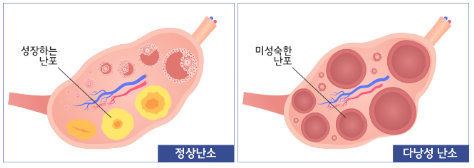
In women with secondary dysmenorrhea — particularly those with endometriosis or adenomyosis — immune-mediated pelvic inflammation plays a significant role in perpetuating pain. Electroacupuncture is employed to modulate inflammatory signaling pathways, reduce pelvic hypersensitivity, and downregulate the immune-mediated processes contributing to endometrial dysfunction. Herbal medicine works in parallel to address systemic inflammatory burden. Reductions in pelvic tenderness, cyclical flare severity, and associated symptoms such as bloating and fatigue are common treatment goals.
Autonomic Nervous System Dysregulation
Dysregulation of the autonomic nervous system amplifies pain perception and perpetuates uterine spasm. Electroacupuncture targets pelvic nerve pain signaling, enhances the release of endogenous pain-modulating compounds including endorphins and enkephalins, and works to restore autonomic balance. Many patients report improvements not only in physical pain but also in the anxiety, sleep disruption, and hypersensitivity that often accompany severe dysmenorrhea.
Uterine Blood Stagnation and Ischemic Cramping
Compromised uterine circulation contributes to ischemic cramping — pain generated when uterine muscle tissue is deprived of adequate blood flow during contraction. Acupuncture therapy is directed at improving uterine blood flow and dissolving the stagnation patterns that characterize this mechanism. Improvements in the quality and ease of menstrual flow, as well as reductions in clotting and associated pain, are frequently among the first changes patients notice.
Hypothalamic-Pituitary-Ovarian (HPO) Axis Dysregulation
The HPO axis governs the hormonal signaling cascade that controls the entire menstrual cycle. Disruption at any point in this axis can produce irregular cycles, ovulatory dysfunction, and exaggerated menstrual pain responses. Dr. Kim's integrative protocol addresses HPO axis function through both acupuncture and herbal medicine — working to restore the natural hormonal rhythm that underpins a comfortable, regular cycle.
Treatment Process & Timeline
Step 1 — Comprehensive Initial Consultation Your treatment begins with a thorough clinical consultation in which Dr. Kim reviews your complete menstrual history, symptom patterns, medical background, and current health status. This session establishes the clinical foundation for accurate diagnosis and ensures that no contributing factor is overlooked.
Step 2 — Advanced Diagnostic Evaluation Where indicated, Dr. Kim's in-clinic diagnostic center conducts targeted laboratory testing — including hormonal panels, blood work, and relevant metabolic and immune assessments — to precisely characterize the physiological drivers of your menstrual pain. This diagnostic precision is what enables genuinely individualized treatment, rather than a generalized protocol.
Step 3 — Personalized Treatment Planning Based on your diagnostic results and clinical presentation, Dr. Kim formulates a detailed, individualized treatment plan. This plan identifies the specific mechanisms driving your dysmenorrhea and maps each element of the treatment protocol — acupuncture sessions, electroacupuncture, herbal formulations, nutritional guidance — to those specific drivers.
Step 4 — Integrated Treatment Program Treatment sessions combine targeted acupuncture, electroacupuncture, and herbal steam (fumigation) therapy according to your plan. Custom herbal decoctions, drawn from Dr. Kim's rigorously verified herbal pharmacy, are prepared and prescribed as part of your ongoing protocol. Nutritional and lifestyle counseling is integrated to address dietary and behavioral factors that contribute to hormonal imbalance and prostaglandin overproduction.
Step 5 — Cycle Monitoring and Reassessment Progress is evaluated across successive menstrual cycles, with regular reassessment consultations allowing Dr. Kim to refine your treatment plan in response to observed changes. This continuous monitoring ensures that treatment evolves with your body's response — maintaining clinical precision throughout the program.
Step 6 — Long-Term Hormonal Resilience The concluding phase of treatment focuses on consolidating the hormonal and physiological stability achieved during the active treatment period — building the sustained resilience necessary to maintain improvements beyond the treatment program itself.
Results, Safety & Longevity
The goal of treatment at Kim Min Jung Oriental Medicine Clinic is not simply to reduce pain during the treatment period — it is to establish the biological conditions in which comfortable, regular menstruation becomes the patient's new baseline. By addressing the specific hormonal, prostaglandin, inflammatory, and circulatory mechanisms generating menstrual pain, the treatment works toward durable improvement rather than temporary suppression.
Results vary by individual depending on the duration and severity of the condition, the presence of underlying pathology such as endometriosis or adenomyosis, and each patient's hormonal and immune profile. Some patients experience meaningful improvements within the first one to two treatment cycles; others with more complex or long-standing conditions require a longer program. Dr. Kim provides honest, realistic expectations at every stage of treatment — no outcome is guaranteed, and progress is assessed transparently throughout.
Acupuncture and herbal medicine, as practiced at Kim Min Jung Oriental Medicine Clinic, have a well-established safety record when administered and formulated by qualified practitioners. All herbal preparations are drawn from a rigorously verified pharmacy, with formulations individually compounded to each patient's profile. As with any therapeutic intervention, some patients may experience minor transient effects following acupuncture — such as temporary local soreness or mild fatigue — which typically resolve quickly. Any concerns are discussed openly at consultation, and Dr. Kim's dual-degree clinical training ensures that treatment decisions are informed by both Oriental and Western medical perspectives.
Service USPs — Why Kim Min Jung Clinic for Dysmenorrhea
Choosing the right care for menstrual pain means finding a practitioner who understands that dysmenorrhea is not a single condition with a single cause — it is a symptom produced by a spectrum of biological mechanisms, each requiring its own targeted approach. Kim Min Jung Oriental Medicine Clinic offers a level of diagnostic depth and treatment precision that is genuinely rare.
Dr. Min-Jung Kim is among a very small number of practitioners worldwide who hold dual qualifications in both Western Medicine and Oriental Medicine, with additional advanced expertise in Immunology and Genetics. This breadth of clinical knowledge allows her to conduct an investigation into the biological origins of menstrual pain that no single-discipline practitioner can replicate — evaluating prostaglandin dynamics, hormonal axis function, immune-mediated inflammatory mechanisms, and autonomic nervous system patterns within a single, coherent clinical framework.
The clinic's in-house diagnostic center enables laboratory-confirmed, evidence-based diagnosis as the foundation of every treatment plan. This is not symptomatic guesswork — it is precision medicine applied to women's menstrual health. And with over 20 years of clinical experience in Gangnam, the clinic has earned its reputation as a destination for women seeking a genuinely transformative alternative to chronic painkiller reliance.
Key differentiators:
-
Dual-degree physician (Western Medicine and Oriental Medicine) with advanced Immunology and Genetics training — two-time U.S. Senate Award recipient
-
Harvard Medical School alumna bringing internationally recognized academic and clinical standards to integrative women's health
-
In-clinic diagnostic center with comprehensive laboratory testing for precise, evidence-based diagnosis
-
Fully individualized treatment protocols — no generalized formulas; every herbal preparation is custom-compounded and every acupuncture protocol is calibrated to your specific diagnostic findings
-
Integrative approach that distinguishes precisely between primary and secondary dysmenorrhea, ensuring that underlying conditions such as endometriosis and adenomyosis are identified and addressed — not overlooked
-
Personalized nutritional and lifestyle counseling as an integral component of every treatment program
Real Patient Examples

Patient A — Secondary Dysmenorrhea with Suspected Endometriosis A woman in her early 30s presented with worsening menstrual pain that had begun several days before the onset of her period and persisted throughout her cycle. Previous investigations had not produced a clear diagnosis. Following diagnostic assessment at Kim Min Jung Oriental Medicine Clinic, an immune-mediated inflammatory pattern consistent with endometriosis was identified. Over a structured six-cycle treatment program combining electroacupuncture, custom herbal medicine targeting estrogen metabolism and pelvic inflammation, and dietary modification, she reported a progressive reduction in pre-menstrual pain onset and a significant decrease in cycle-day pain severity. Suggested image: A woman in her 30s in a calm clinical consultation setting, engaged in discussion with her practitioner.
Patient B — Primary Dysmenorrhea in a Young Professional A woman in her mid-20s had managed severe menstrual cramping with NSAIDs for several years, noticing that the medication was becoming progressively less effective. Diagnostic evaluation identified prostaglandin overproduction and HPO axis dysregulation as primary drivers. Following a treatment program of targeted acupuncture and herbal decoctions formulated to reduce prostaglandin synthesis and support hormonal balance, she reported that her first post-treatment cycle involved noticeably reduced cramping and that she had not required pain medication. Suggested image: A young professional woman in a bright, calm environment, conveying restored wellbeing and ease.
Patient C — Teenage Patient with Rapidly Worsening Dysmenorrhea A 17-year-old presented with menstrual pain severe enough to cause school absences each cycle. Her mother noted that pain medication provided only partial relief. Following a careful, age-appropriate diagnostic evaluation, a hormonal imbalance pattern was identified and a gentle acupuncture and herbal protocol was initiated. After three cycles of treatment, her mother reported that menstrual pain had reduced substantially and school absences had ceased. Suggested image: A teenager and her mother in a warm, reassuring clinical reception setting.
Begin Your Path to a Pain-Free Cycle
Menstrual pain is not something you are required to simply endure. At Kim Min Jung Oriental Medicine Clinic, a precise diagnostic evaluation and a fully personalized treatment program — designed by Dr. Min-Jung Kim to resolve the biological origins of your pain — is available to you. If you have been managing dysmenorrhea with painkillers, experiencing worsening symptoms, or simply seeking a genuinely root-cause approach to your menstrual health, we invite you to take the first step. Your consultation is the beginning of a treatment journey built entirely around you.
Schedule Your Consultation Today
Prefer to reach us directly? Contact the clinic by phone or in person to speak with our team and arrange your initial appointment.
All new patients receive a comprehensive initial consultation including full symptom evaluation and diagnostic planning. No referral required.
Other Services
Explore additional treatments offered by our specialists.

Weight Management Programs
Weight management within Traditional Korean Medicine is not simply about eating less or moving more.
Learn More

Vaginitis
Vaginitis is an inflammation of the vaginal area caused by infection, microbial imbalance, hormonal disruption, or immune vulnerability.
Learn More

Polycystic Ovary Syndrome (PCOS)
Struggling with PCOS? Dr. Min-Jung Kim offers integrative Korean medicine — acupuncture, herbal therapy & metabolic care. Book your consultation today.
Learn More