Personalized Korean Traditional Medicine & Dedicated International Patient Care


Acupuncture Therapy for Pain Management
Elbow Pain
Elbow pain is rarely a simple, isolated problem. In most cases, discomfort in the elbow joint results from a combination of structural damage, soft tissue inflammation, nerve irritation, and underlying physiological.
Schedule a ConsultationElbow Pain
**What is Elbow Pain Treatment in Korean Medicine? **
Elbow pain is rarely a simple, isolated problem. In most cases, discomfort in the elbow joint results from a combination of structural damage, soft tissue inflammation, nerve irritation, and underlying physiological imbalances that conventional treatments often fail to fully address.
At Kim Min Jung Oriental Medicine Clinic, elbow pain treatment is approached through the integrated lens of Traditional Korean Medicine and Western medical science. Rather than treating the symptom in isolation, the clinic's methodology identifies the precise biological and structural origins of each patient's condition — including inflammatory pathways, nerve entrapment patterns, and tissue degeneration — before designing a targeted treatment plan.
Treatment protocols at the clinic draw on Balance Method Acupuncture, which works by restoring energetic flow along specific meridian channels linked to the elbow, forearm, and upper limb. Electroacupuncture extends this further by delivering calibrated electrical stimulation through acupuncture needles positioned at key therapeutic points, promoting nerve regeneration, reducing chronic inflammation within the joint, and accelerating tissue repair at a cellular level. Custom herbal decoctions formulated individually for each patient complement these physical therapies by addressing internal contributors to inflammation, swelling, and delayed healing.
This multi-modal approach does not simply manage pain — it targets the underlying mechanisms responsible for the condition, creating the physiological conditions needed for genuine, sustained recovery.
**Who Needs Elbow Pain Treatment? **
Elbow pain affects a broad range of patients across different activity levels, occupations, and age groups. You may benefit from treatment at Kim Min Jung Oriental Medicine Clinic if you identify with any of the following:
-
Office workers and digital professionals experiencing chronic elbow or forearm discomfort from prolonged keyboard and mouse use
-
Athletes and active individuals dealing with tennis elbow (lateral epicondylitis) or golfer's elbow (medial epicondylitis) from repetitive sports movements
-
Manual workers and tradespeople whose occupational activities have caused repetitive stress injury or tendon overuse in the elbow
-
Patients who have not responded to conventional Western treatments, including anti-inflammatory medications, physiotherapy, or corticosteroid injections
-
Individuals experiencing nerve-related symptoms such as tingling, numbness, or weakness in the forearm and hand, suggesting nerve entrapment at the elbow
-
Those managing chronic joint inflammation, including conditions with ligament involvement or degenerative joint changes
-
Patients seeking a non-surgical alternative before committing to invasive procedures
-
Individuals in their 30s to 60s presenting with progressive elbow pain that is limiting daily function, grip strength, or sporting activity
Meet The Specialist: Dr. Min-Jung Kim in Traditional Korean Medicine Elbow Care
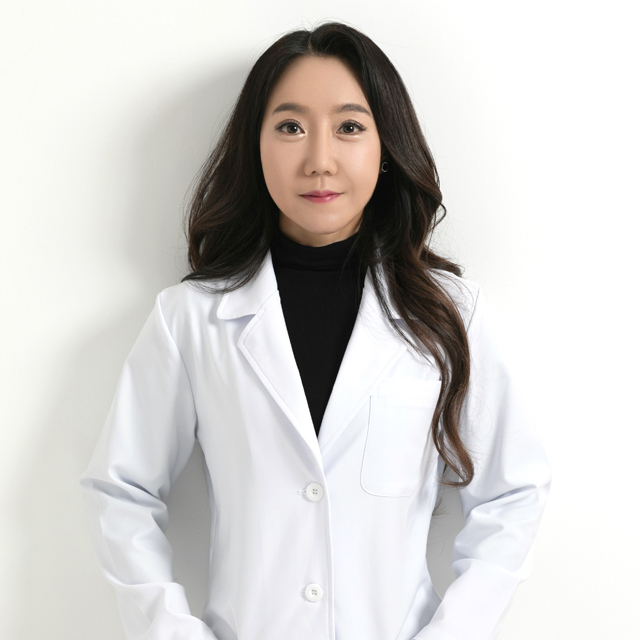
Dr. Min-Jung Kim, KMD, MD
Founder & Lead Practitioner
Dr. Min-Jung Kim Doctor of Oriental Medicine | Western Medicine Graduate | Harvard Medical School Alumna
Dr. Min-Jung Kim brings over 20 years of clinical excellence to the treatment of musculoskeletal and pain conditions through the integration of Traditional Korean Medicine and Western medical science. A Harvard Medical School alumna and holder of dual degrees in both Western and Oriental Medicine, Dr. Kim has built one of the most distinctive clinical credentials in integrative pain care.
Her advanced specialization in Immunology and Genetics allows her to go beyond standard diagnostic assessments — identifying the specific physiological mechanisms, inflammatory markers, and tissue responses driving each patient's elbow condition. This depth of diagnostic precision means that no two treatment plans at the clinic are alike.
A two-time U.S. Senate Award recipient, Dr. Kim is recognized not only for her clinical expertise but for her commitment to evidence-based, patient-centered care. Her philosophy is grounded in a single principle: lasting relief requires understanding and treating the root cause, not simply managing the surface symptom.
Every patient at Kim Min Jung Oriental Medicine Clinic is seen by Dr. Kim personally, ensuring that her diagnostic insight and clinical judgment are present at every stage of care.
**Treatment Areas & Expected Improvements **
Elbow pain treatment at Kim Min Jung Oriental Medicine Clinic addresses the following anatomical and functional targets:
Lateral Epicondyle (Tennis Elbow) The lateral epicondyle is the bony prominence on the outer side of the elbow where the forearm extensor tendons attach. Repeated strain causes micro-tears, inflammation, and tendon degeneration at this site. Treatment targets the tendon-bone junction and surrounding soft tissue using acupuncture and electroacupuncture to stimulate repair, reduce inflammatory load, and restore pain-free grip function. Patients commonly report a reduction in outer elbow tenderness and improved ability to perform gripping or lifting tasks.
Medial Epicondyle (Golfer's Elbow) The medial epicondyle sits on the inner side of the elbow and is the attachment point for the forearm flexor tendons. Golfer's elbow involves similar degenerative and inflammatory processes on this inner aspect. Targeted needling combined with herbal anti-inflammatory support addresses the tendon pathology while managing the broader systemic contributors to slow tissue healing. Improvements in inner elbow pain, wrist flexion strength, and grip endurance are commonly observed.
Ulnar Nerve & Peripheral Nerve Pathways Nerve entrapment at the elbow — particularly of the ulnar nerve — can produce tingling, numbness, or shooting pain into the forearm and fingers. Electroacupuncture along the nerve pathway supports nerve regeneration and reduces the compressive inflammatory environment around the nerve, helping to restore normal sensation and motor function over the course of treatment.
Joint Capsule & Ligament Structures Chronic elbow inflammation often involves the joint capsule and supporting ligaments. Pharmacopuncture and herbal decoctions work systemically and locally to reduce intra-articular inflammation, improve joint fluid dynamics, and support ligament integrity — contributing to greater joint stability and reduced pain with movement.
Forearm Musculature & Tendon Insertion Points Chronic overuse conditions frequently involve trigger points and muscular tension throughout the forearm, not only at the elbow itself. Manual therapy and acupuncture address these contributing muscular factors, releasing tension, restoring circulation, and allowing the primary elbow structures to heal without ongoing mechanical aggravation.
Expected Improvements
Patients undergoing treatment for elbow pain at the clinic may experience:
-
Reduction in resting and activity-related elbow pain
-
Improved grip strength and forearm endurance
-
Decreased joint inflammation and swelling
-
Restoration of range of motion in the elbow and wrist
-
Reduced nerve-related symptoms such as tingling or numbness
-
Greater functional capacity for work, sport, and daily activities
Results vary depending on the nature, severity, and duration of each patient's condition. Dr. Kim will discuss realistic outcome expectations during the initial consultation.
**Treatment Process & Timeline **
Step 1 — Initial Consultation Dr. Min-Jung Kim conducts a thorough clinical interview exploring the onset, progression, aggravating factors, and previous treatments related to the elbow condition. The patient's full medical history, lifestyle, and occupational demands are reviewed to build a complete clinical picture.
Step 2 — Diagnostic Assessment Leveraging her expertise in Western medicine, Immunology, and Genetics, Dr. Kim performs a detailed physical assessment of the elbow joint, surrounding soft tissue, nerve pathways, and functional movement patterns. Where indicated, this assessment may incorporate genetic and immunological data to identify biological contributors to the patient's inflammatory or degenerative process.
Step 3 — Personalized Treatment Planning Based on the diagnostic findings, Dr. Kim designs a tailored treatment protocol. This plan specifies the combination of Balance Method Acupuncture, Electroacupuncture, herbal medicine, pharmacopuncture, Chuna manual therapy, and physical therapy most appropriate for the patient's specific condition.
Step 4 — Active Treatment Phase Treatment sessions are conducted in a calm, clinical environment under Dr. Kim's direct supervision. Each session is adjusted according to the patient's response and progress. The electroacupuncture and needling protocols are precisely calibrated to the anatomical targets identified during assessment.
Step 5 — Herbal & Pharmacopuncture Support Custom herbal decoctions are formulated for each patient to be taken between sessions, targeting internal inflammation, tissue repair, and immune regulation. Pharmacopuncture injections of refined herbal extracts at key treatment points provide additional localized therapeutic action.
Step 6 — Review & Ongoing Care Progress is evaluated at regular intervals throughout the treatment course. Dr. Kim adjusts the protocol in response to clinical improvements and patient feedback. Guidance on posture, activity modification, and preventive strategies is provided to support long-term outcomes.
**Results, Safety & Longevity **
Treatment outcomes at Kim Min Jung Oriental Medicine Clinic are built on a foundation of biological rationale. Acupuncture and electroacupuncture have been studied for their effects on local blood flow, inflammatory cytokine regulation, and nerve conduction — all of which are relevant to the recovery of tendinous and joint structures in the elbow.
Herbal medicine prescribed at the clinic is individually formulated using traditional pharmacopoeia reviewed in the context of each patient's genetic profile and medical background, minimizing the risk of adverse interactions and maximizing therapeutic specificity.
Side effects associated with acupuncture treatment are generally mild and transient, including minor bruising or temporary soreness at needle sites. All procedures are performed in a clinical setting using sterile, single-use equipment under Dr. Kim's direct supervision.
The duration of improvement following a completed treatment course varies between patients and is influenced by the chronicity of the condition, the patient's overall health, and adherence to recommended lifestyle adjustments. Dr. Kim does not make claims of permanent resolution but provides each patient with a clear, evidence-informed prognosis based on their individual clinical presentation.
**Why Choose Kim Min Jung Oriental Medicine Clinic for Elbow Pain Treatment? **
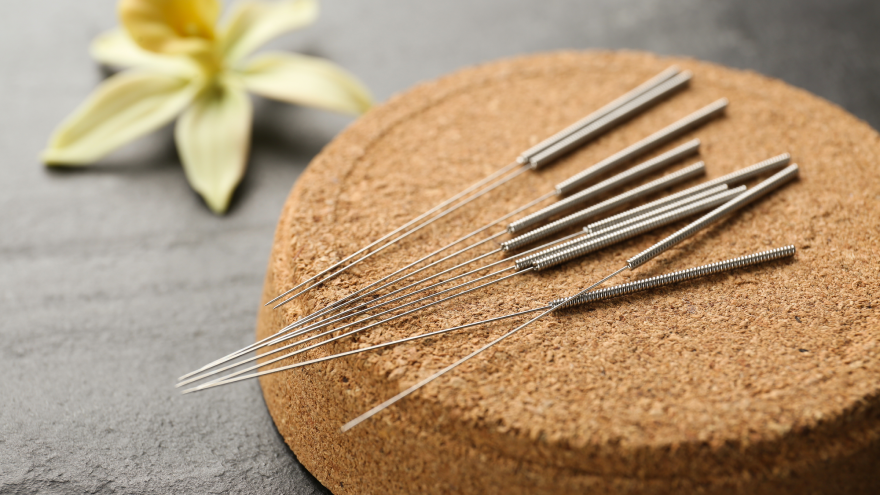
Kim Min Jung Oriental Medicine Clinic occupies a unique position in integrative medicine. Under Dr. Min-Jung Kim's leadership, the clinic combines the diagnostic precision of Western medicine — including immunological and genetic assessment — with the restorative depth of Traditional Korean Medicine. This dual-discipline capability means that patients receive a level of diagnostic insight that is simply not available in either a conventional Western clinic or a standard oriental medicine practice alone.
The clinic's root-cause philosophy means that treatment is never confined to symptom suppression. Every protocol is designed to address the physiological mechanisms driving the condition, creating the internal environment necessary for genuine tissue repair, reduced inflammation, and restored function. This approach is particularly well-suited to patients whose elbow conditions have proven resistant to conventional treatments, as it opens new diagnostic and therapeutic avenues that standard care pathways do not explore.
With over 20 years of clinical experience in Gangnam and a proven record of treating complex musculoskeletal conditions, the clinic is equipped to manage the full spectrum of elbow pain presentations — from acute sports injuries to long-standing chronic conditions in patients of all backgrounds.
**Clinic USPs: **
**⯈ **Root-cause diagnostic philosophy — treatment plans built on understanding why the knee is deteriorating, not just how to relieve pain temporarily
**⯈ **Advanced clinical credentials — Dr. Kim's background in Immunology, Genetics, Western Medicine, and Oriental Medicine applied to every case
**⯈ **Integrated diagnostic technology — access to genetic testing and modern clinical assessment alongside traditional diagnostic methods
**⯈ **Comprehensive treatment toolkit — a full range of modalities, from Balance Method Acupuncture and Electroacupuncture to custom herbal medicine and Chuna manual therapy, available within a single coordinated care plan
**⯈ **International patient experience — the clinic has a long history of serving patients from outside Korea, with the communication standards and clinical documentation to support internationally mobile patients
Patient Experiences
Patient A — Lateral Epicondylitis, Office Professional After more than a year of outer elbow pain that had not responded to physiotherapy or anti-inflammatory medication, this patient sought assessment at the clinic. Following Dr. Kim's diagnostic evaluation, a combined protocol of Balance Method Acupuncture and electroacupuncture was initiated alongside a custom herbal formulation. The patient reported a meaningful reduction in pain with typing and mouse use within the treatment course and returned to full working capacity without surgical intervention. Suggested image: Person typing comfortably at a desk, relaxed posture, natural office setting.
Patient B — Medial Epicondylitis, Recreational Golfer A recreational golfer in his mid-40s presented with persistent inner elbow pain and weakening grip strength that had begun to affect both his game and daily activities. Dr. Kim's assessment identified both tendon-level pathology and contributing inflammatory factors. Following a structured course of electroacupuncture and pharmacopuncture with herbal support, the patient experienced progressive improvement in grip strength and pain-free range of motion. Suggested image: Person holding a golf club with relaxed, natural grip on a course or driving range.
Patient C — Chronic Elbow Inflammation, Manual Worker A tradesperson in her late 30s presented with bilateral elbow discomfort and forearm fatigue linked to years of repetitive occupational strain. Previous treatment had provided only temporary relief. Following a comprehensive root-cause assessment at the clinic, a multi-modal treatment plan was established. Over the course of treatment, the patient reported sustained reduction in inflammation and improved endurance for occupational tasks. Suggested image: Person using hand tools comfortably, focused expression, workshop environment.
**Ready to Address Your Elbow Pain at its Source? **
You deserve more than temporary pain relief. You deserve to understand why your elbow hurts — and to receive a treatment plan built around you.
At Kim Min Jung Oriental Medicine Clinic, Dr. Min-Jung Kim personally evaluates every patient using her combined expertise in Western medicine, Traditional Korean Medicine, Immunology, and Genetics. Whether you are managing tennis elbow, golfer's elbow, chronic joint inflammation, or a condition that has not responded to conventional care, our clinic offers a precise, evidence-informed, and deeply personalized pathway to lasting recovery.
Contact the clinic today to schedule your initial consultation with Dr. Kim and take the first step toward restoring full function, strength, and comfort to your elbow.
Call us directly or complete our online enquiry form to book your appointment. International patients are welcome.
Other Services
Explore additional treatments offered by our specialists.

Weight Management Programs
Weight management within Traditional Korean Medicine is not simply about eating less or moving more.
Learn More

Vaginitis
Vaginitis is an inflammation of the vaginal area caused by infection, microbial imbalance, hormonal disruption, or immune vulnerability.
Learn More
Polycystic Ovary Syndrome (PCOS)
Struggling with PCOS? Dr. Min-Jung Kim offers integrative Korean medicine — acupuncture, herbal therapy & metabolic care. Book your consultation today.
Learn More