Personalized Korean Traditional Medicine & Dedicated International Patient Care


Respiratory Disease Diagnosis and Treatment
Fine Dust Respiratory Care
Have a history of asthma, rhinitis, or respiratory allergies that appear linked to air quality
Schedule a ConsultationFine Dust Respiratory Care
What Is Fine Dust — and Why Is It a Health Threat?
Fine dust is largely composed of particulate matter smaller than 2.5 micrometers (PM2.5) and 10 micrometers (PM10). These particles are classified by size — and that size determines exactly how deep into your body they travel.
PM10 (Coarse Dust): Particles with a diameter of 10 micrometers or less. These are filtered by the upper airways in many cases, but prolonged exposure still causes significant mucosal irritation and inflammatory responses throughout the nose, throat, and bronchial passages.
PM2.5 (Ultrafine Dust): Particles with a diameter of 2.5 micrometers or less — small enough to bypass the respiratory tract's natural defense mechanisms entirely, penetrate deep into the alveolar tissue of the lungs, and enter the bloodstream directly. This is where the most serious and systemic biological damage originates.
What makes fine dust particularly dangerous is the breadth of its impact. It is not a respiratory issue alone. Fine dust can cause inflammation throughout the body and is associated with a wide range of serious health consequences, including irritation of the eyes, nose, and throat; respiratory conditions such as bronchitis, asthma, and chronic cough; cardiovascular diseases driven by systemic inflammatory burden; progressive weakening of the immune system; and an increased risk of chronic illness over time.
Organs and Systems Affected by Fine Dust Exposure
Chronic fine dust exposure may disrupt multiple organs and physiological systems simultaneously:
-
Eyes: Persistent dryness and irritation of the ocular surface
-
Nose: Rhinitis, nasal congestion, and mucosal inflammation
-
Brain: Headaches, cognitive fatigue, and neurological discomfort
-
Skin: Allergic reactions and inflammatory skin responses
-
Lungs: Bronchitis, asthma, and progressive respiratory distress
-
Immune system: Reduced resistance to infections and heightened allergic sensitization
This multi-system profile of damage is precisely why fine dust respiratory care requires a genuinely comprehensive, root-cause clinical approach — not symptomatic management alone.
What Is Fine Dust Respiratory Care in Traditional Korean Medicine?
Fine dust is not simply an outdoor inconvenience. Particulate matter smaller than 2.5 micrometers — invisible to the naked eye — penetrates deep into your airways, embeds in bronchial and alveolar tissue, and triggers a cascade of inflammatory, oxidative, and immune responses that, over time, progressively weaken your respiratory system from the inside.
Traditional Korean Medicine approaches fine dust damage at its biological root. Rather than suppressing isolated symptoms, Fine Dust Respiratory Care works to restore the full structural and functional integrity of the respiratory tract, rebalance the immune system's dysregulated response to inhaled particulates, and rebuild the physiological resilience your body needs to withstand ongoing urban environmental exposure.
At Kim Min Jung Oriental Medicine Clinic, this approach is enriched with the precision of Western immunological and pulmonary medicine. Dr. Min-Jung Kim's dual expertise allows her to assess the full systemic impact of chronic fine dust exposure — including its effects on pulmonary microcirculation, gut-lung immune axis function, neurological regulation, and genetic vulnerability — delivering a program that is both scientifically grounded and clinically comprehensive.
Who Needs Fine Dust Respiratory Treatment?

Fine dust-related respiratory damage is often gradual, accumulating silently over months and years before symptoms become difficult to ignore. You may benefit from Fine Dust Respiratory Care if you:
-
Experience persistent coughing, phlegm, or throat irritation that worsens on high-pollution days
-
Notice chest heaviness, tightness, or breathing discomfort in urban or seasonal environments
-
Suffer from recurring bronchitis, chronic dry cough, or unexplained sore throat
-
Have a history of asthma, rhinitis, or respiratory allergies that appear linked to air quality
-
Feel unusual fatigue, brain fog, or general systemic discomfort following prolonged fine dust exposure
-
Find that seasonal transitions — particularly spring yellow dust season — trigger worsening respiratory symptoms
-
Have a naturally sensitive respiratory constitution or a family history of pulmonary or allergic conditions
-
Seek a root-cause, non-pharmaceutical approach to long-term respiratory health and immune resilience
**Meet The Specialist: Dr. Min-Jung Kim **
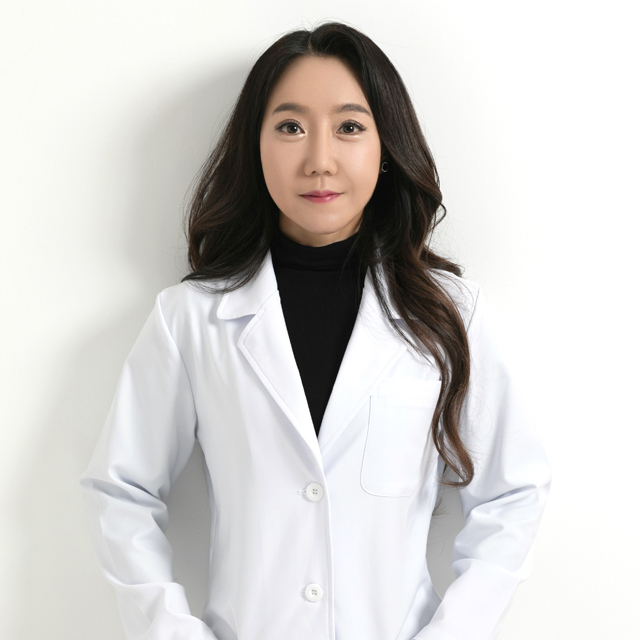
Dr. Min-Jung Kim, KMD, MD
Founder & Lead Practitioner
Dr. Min-Jung Kim is the founder and lead clinician of Kim Min Jung Oriental Medicine Clinic, bringing over 20 years of integrative clinical excellence to the care of patients with fine dust-related respiratory and systemic conditions.
A Harvard Medical School alumna and holder of dual degrees in both Western and Oriental Medicine, Dr. Kim has built an internationally recognized clinical reputation grounded in advanced specialization across Immunology, Genetics, and integrative bioscience. Her academic and clinical training uniquely positions her to investigate the full biological complexity of chronic PM2.5 and PM10 exposure — from airway epithelial barrier disruption and bronchial inflammation to oxidative cellular deterioration, gut-lung immune axis dysfunction, and the genetic predispositions that shape each patient's individual vulnerability.
A two-time U.S. Senate Award recipient, Dr. Kim is recognized not only for clinical excellence but for her contribution to the advancement of integrative medicine as a legitimate and evidence-informed discipline. Her approach to Fine Dust Respiratory Care is defined by one guiding principle: every patient deserves a treatment program as biologically unique as they are.
Treatment Areas and Expected Improvements
Dr. Kim's Fine Dust Respiratory Care program addresses the following anatomical and functional targets:
Bronchial Airway Epithelial Barrier Chronic fine dust exposure progressively weakens the protective mucosal lining of the airways, making the respiratory tract increasingly permeable to embedded particulates and secondary infections. Treatment focuses on actively restoring epithelial barrier integrity through targeted herbal compounds and acupuncture-driven tissue regeneration, progressively rebuilding the structural resilience of bronchial mucosa and reducing vulnerability to recurrent respiratory insults. Improvement in airway barrier function typically manifests as reduced frequency and severity of respiratory infections, decreased bronchial reactivity, and a noticeable reduction in daily cough and throat irritation over the course of treatment.
Mucociliary Clearance Mechanisms Fine particulate matter impairs the mucociliary escalator — the respiratory system's primary physical defense for expelling inhaled pollutants and pathogens. The Fine Dust Respiratory Care program employs acupuncture protocols and mucolytic herbal formulations specifically selected to strengthen ciliary function and reduce the viscosity of accumulated phlegm, supporting the active clearance of fine particulate deposits and inflammatory debris from deep within the airways. Patients frequently report meaningful improvement in phlegm burden, breathing ease, and chest congestion as mucociliary function progressively recovers.
Pulmonary Immune Regulation Chronic fine dust exposure drives sustained immune activation within the respiratory mucosa, producing progressive bronchial and alveolar inflammation, allergic sensitization, and heightened bronchial hyperreactivity. Treatment integrates evidence-based anti-inflammatory and immune-regulatory herbal compounds with electroacupuncture neuroimmune modulation to attenuate the chronic pulmonary inflammatory cascade, recalibrate allergic immune thresholds, and reduce the frequency and severity of pollution-triggered respiratory flares. Individual responses to immune regulation vary based on the duration and intensity of prior fine dust exposure and baseline immune constitution.
Oxidative Cellular Stress Within Lung Tissue PM2.5 particles generate intense free radical activity within lung tissue, accelerating cellular deterioration and contributing to long-term respiratory functional decline. Dr. Kim's herbal formulations incorporate potent antioxidant botanicals specifically selected to neutralize pollution-induced oxidative damage at the cellular level, protecting respiratory tissue integrity and supporting the regeneration of pollution-damaged airway cells. Reduction in systemic oxidative burden is associated with improvements in energy, cognitive clarity, and overall physiological resilience beyond respiratory function alone.
Gut-Lung Immune Axis Emerging clinical evidence confirms that chronic pulmonary immune dysregulation progressively disrupts gut microbiome composition, creating a self-reinforcing cycle of systemic immune imbalance. The Fine Dust Respiratory Care program addresses this gut-lung connection through targeted systemic detoxification botanicals and personalized dietary guidance, reinforcing the microbiome's contribution to respiratory and immune system resilience. Improvements in gut-lung axis function support not only respiratory recovery but broader systemic health, metabolic balance, and immune adaptability.
Systemic Detoxification Pathways Fine dust particles and co-pollutant airborne toxins absorbed into circulation place sustained metabolic burden on hepatic, lymphatic, and renal detoxification systems. Dr. Kim's program incorporates botanicals that actively support these systemic clearance pathways, facilitating the elimination of absorbed pollutants and their toxic metabolites from the body's tissues. Electroacupuncture further enhances thoracic and cervical lymphatic drainage, accelerating the removal of inflammatory debris and supporting the gradual restoration of systemic physiological clarity.
Treatment Process and Timeline
Step 1 — Comprehensive Consultation Your care begins with a thorough one-on-one consultation with Dr. Min-Jung Kim. This session encompasses a detailed review of your respiratory symptom history, fine dust exposure patterns, systemic health concerns, immune constitution, lifestyle factors, and relevant medical background — establishing the clinical foundation for your personalized treatment program.
Step 2 — Integrative Diagnostic Assessment Dr. Kim conducts a comprehensive biological evaluation assessing the full systemic impact of your fine dust exposure across immunological, pulmonary, metabolic, and genetic dimensions. This diagnostic depth enables precise identification of the specific biological pathways driving your respiratory deterioration and guides the exact composition of your individual treatment protocol.
Step 3 — Custom Herbal Formula Preparation Your personalized herbal decoction is compounded from a rigorously verified, contaminant-free herbal pharmacy using only top-quality botanical compounds. The formulation is precisely calibrated to your diagnostic profile — addressing your specific pattern of airway inflammation, immune dysregulation, phlegm burden, oxidative stress, and systemic detoxification needs.
Step 4 — Acupuncture and Electroacupuncture Treatment Precisely targeted acupuncture and electroacupuncture sessions are administered according to your individualized protocol. Treatment focuses on reducing bronchial and alveolar inflammation, strengthening mucociliary clearance, modulating pulmonary neuroimmune signaling, improving pulmonary microcirculation, and activating the body's natural antioxidant and regenerative defense systems.
Step 5 — Lifestyle and Environmental Guidance Each program includes personalized guidance encompassing indoor air quality optimization strategies, anti-inflammatory and antioxidant-rich nutritional recommendations, gut microbiome-supporting dietary advice to reinforce the gut-lung immune axis, and practical lifestyle modifications that minimize harmful fine dust exposure while maximizing the body's natural detoxification and environmental adaptability.
Step 6 — Progress Review and Protocol Refinement Treatment progress is monitored through scheduled follow-up evaluations. Herbal formulations and acupuncture protocols are refined in response to your evolving clinical picture, ensuring that your care program remains precisely aligned with your ongoing recovery trajectory and long-term respiratory health goals.
Results, Safety, and Longevity

Fine Dust Respiratory Care at Kim Min Jung Oriental Medicine Clinic is designed as a progressive, biologically targeted program — not a symptomatic quick fix. Clinical improvement follows the pace of genuine tissue recovery, immune recalibration, and physiological restoration, and individual outcomes vary based on the severity and duration of prior fine dust exposure, baseline respiratory and immune constitution, genetic factors, and consistency of treatment participation.
Patient survey data collected from users of the clinic's Soompyunghan herbal formulation — the evidence-based herbal compound at the core of the Fine Dust Respiratory Care program — reports a 94% rate of reduced coughing, 91% improvement in phlegm symptoms, 90% relief from sore throat and throat irritation, and a 97% overall satisfaction rate. These findings reflect patient-reported outcomes and should be understood as illustrative of the treatment's potential rather than as guaranteed individual results.
The herbal formulations used in this program are drawn from a contaminant-free, rigorously verified botanical pharmacy and carry Patent Registration No. 10-2221389, reflecting the scientific validation underlying their clinical application. Acupuncture and electroacupuncture are administered by Dr. Kim using established safety protocols, and all treatment components are regularly reviewed for quality, purity, and clinical appropriateness.
As with all integrative medicine programs, individual results vary. Fine Dust Respiratory Care does not constitute a cure for respiratory disease, and patients with serious or complex pulmonary conditions are encouraged to maintain concurrent care with their primary or specialist physician.
Why Choose Kim Min Jung Oriental Medicine Clinic for Fine Dust Respiratory Care?
With over 20 years of clinical excellence in the heart of Gangnam, Seoul, Kim Min Jung Oriental Medicine Clinic has established itself as a trusted and pioneering destination for patients seeking a genuinely root-cause approach to fine dust respiratory damage. Under Dr. Min-Jung Kim's leadership, the clinic operates at the intersection of Traditional Korean Medicine's deep respiratory healing wisdom and the precision diagnostic rigor of Western pulmonary and immunological medicine — providing a standard of integrative care that is rare and clinically meaningful.
Dr. Kim's Harvard medical training, dual Western-Oriental degree, and advanced specialization in Immunology and Genetics mean that every patient's fine dust exposure is evaluated not as an isolated symptom cluster, but as a complex, multi-system biological challenge requiring a truly personalized response. No two patients leave with the same program — because no two patients carry the same biological vulnerability, exposure history, or physiological landscape.
The clinic's commitment to evidence quality is embedded in every element of care — from the patent-registered herbal formulations and contaminant-free botanical pharmacy to the precision of Dr. Kim's integrative diagnostic approach and the individualized lifestyle guidance that extends the program's impact beyond the treatment room.
Service USPs at a Glance:
-
Harvard-trained, dual-degree expertise — Dr. Kim holds credentials in both Western and Oriental Medicine, with advanced specialization in Immunology and Genetics, enabling diagnostic depth that goes far beyond symptom management
-
Patent-registered herbal medicine — The Soompyunghan formulation at the core of this program carries Patent No. 10-2221389, reflecting scientific validation of its anti-inflammatory and expectorant clinical actions
-
Truly personalized protocols — Every acupuncture plan, herbal compound, and lifestyle recommendation is individually calibrated to each patient's unique biological and constitutional profile
-
Gut-lung axis and systemic care — Treatment addresses the full systemic cascade of fine dust damage, including gut microbiome disruption, oxidative cellular stress, and hepatic detoxification — not just respiratory symptoms
-
20+ years of Gangnam clinical excellence — A deeply established practice with a long track record of patient outcomes and integrative clinical refinement
Real Patient Experiences
Patient A — Office Professional, Seasonal Respiratory Sufferer This patient presented with persistent morning cough, heavy chest sensation, and recurrent throat irritation that worsened significantly during spring yellow dust season and on days of elevated PM2.5. Following a personalized course of acupuncture, electroacupuncture, and custom herbal medicine, she reported substantial reduction in daily cough frequency, noticeably easier breathing, and a significant decrease in seasonal respiratory flares. Suggested image: professional woman breathing comfortably outdoors in an urban setting.
Patient B — Long-Term Seoul Resident with Chronic Phlegm Accumulation This patient had experienced persistent phlegm production, recurring sore throat, and general respiratory discomfort for over two years, attributed to sustained urban fine dust exposure. After completing a structured fine dust respiratory care program, he reported marked improvement in phlegm burden and throat clarity, and described breathing as meaningfully more comfortable in his daily life. Suggested image: middle-aged man speaking or walking with ease in an urban park.
Patient C — Health-Conscious Individual Seeking Preventive Lung Support This patient sought care proactively, concerned about cumulative fine dust exposure and its potential long-term impact on respiratory and immune health. She responded positively to the systemic detoxification and gut-lung axis support elements of her program, reporting improved energy, reduced seasonal sensitivity, and a greater sense of physiological resilience during periods of elevated air pollution. Suggested image: woman practicing mindful breathing or light exercise outdoors.
Take the First Step Toward Cleaner, Healthier Breathing
Fine dust exposure does not stop — but its damage to your respiratory system does not have to be permanent. At Kim Min Jung Oriental Medicine Clinic, Dr. Min-Jung Kim is ready to guide you through a comprehensive, evidence-based Fine Dust Respiratory Care program designed specifically for your biology, your exposure history, and your long-term health goals. Whether you are managing an active respiratory condition, recovering from seasonal fine dust damage, or seeking to build lasting physiological resilience against ongoing urban air pollution, this is where your recovery begins.
Schedule your personalized Fine Dust Respiratory Care consultation with Dr. Min-Jung Kim today. Your program will be individually designed from the ground up — drawing on over 20 years of integrative clinical expertise, patent-registered herbal medicine, and a root-cause diagnostic approach that addresses every dimension of fine dust's impact on your health.
Prefer to reach us directly? Contact the clinic by phone or message to speak with a member of our care team and find the consultation appointment that works best for you.
Your lungs deserve more than symptomatic relief. They deserve restoration.
Other Services
Explore additional treatments offered by our specialists.

Weight Management Programs
Weight management within Traditional Korean Medicine is not simply about eating less or moving more.
Learn More

Vaginitis
Vaginitis is an inflammation of the vaginal area caused by infection, microbial imbalance, hormonal disruption, or immune vulnerability.
Learn More

Polycystic Ovary Syndrome (PCOS)
Struggling with PCOS? Dr. Min-Jung Kim offers integrative Korean medicine — acupuncture, herbal therapy & metabolic care. Book your consultation today.
Learn More