Personalized Korean Traditional Medicine & Dedicated International Patient Care


Acupuncture Therapy for Pain Management
Knee Pain
Knee pain is rarely caused by a single factor. Whether it stems from years of cartilage wear, a sudden sports injury, or ongoing inflammation driven by immune or metabolic dysfunction, the knee is one of the most.
Schedule a ConsultationKnee Pain
**What is Knee Pain Treatment in Korean Medicine? **
Knee pain is rarely caused by a single factor. Whether it stems from years of cartilage wear, a sudden sports injury, or ongoing inflammation driven by immune or metabolic dysfunction, the knee is one of the most mechanically complex and physiologically sensitive joints in the body. Standard approaches often focus on managing symptoms — reducing pain temporarily without addressing what is driving the degeneration or inflammation in the first place.
Traditional Korean Medicine takes a fundamentally different view. Rather than treating the knee in isolation, it examines the whole patient — their physiology, inflammatory status, lifestyle patterns, and structural alignment — to identify the root causes that conventional imaging and symptom-focused care may miss. At Kim Min Jung Oriental Medicine Clinic, this philosophy is elevated further by integrating modern clinical science, including immunology and genetic analysis, into every treatment plan.
The result is a highly individualized approach: one that does not simply mask discomfort, but works to restore actual joint function, reduce inflammation at a biological level, and support the body's natural capacity for recovery.
**Who Needs Knee Pain Treatment? **
Knee pain affects people across a wide range of ages, activity levels, and health backgrounds. You may benefit from an evaluation at Kim Min Jung Oriental Medicine Clinic if you experience:
-
Morning stiffness or persistent joint aching that has lasted more than a few weeks
-
Pain when climbing stairs, walking on uneven surfaces, or sitting for extended periods
-
A grinding, clicking, or locking sensation inside the knee joint
-
Swelling, warmth, or visible inflammation around the knee with no clear acute cause
-
Reduced range of motion that limits your daily activities or sports performance
-
A previous knee injury — including ligament sprains, tears, or trauma — that has not fully resolved
-
A diagnosis of degenerative knee osteoarthritis, tendinitis, or a ligament condition such as ACL, PCL, MCL, or LCL injury
-
Chronic pain that has not responded adequately to previous treatments, including physiotherapy or conventional pain management
Patients from their late thirties through their seventies and beyond seek care at this clinic. Athletes managing sports injuries, professionals dealing with overuse conditions, and older adults experiencing age-related joint degeneration all form part of the patient community served here.
**Meet The Specialist: Dr. Min-Jung Kim **
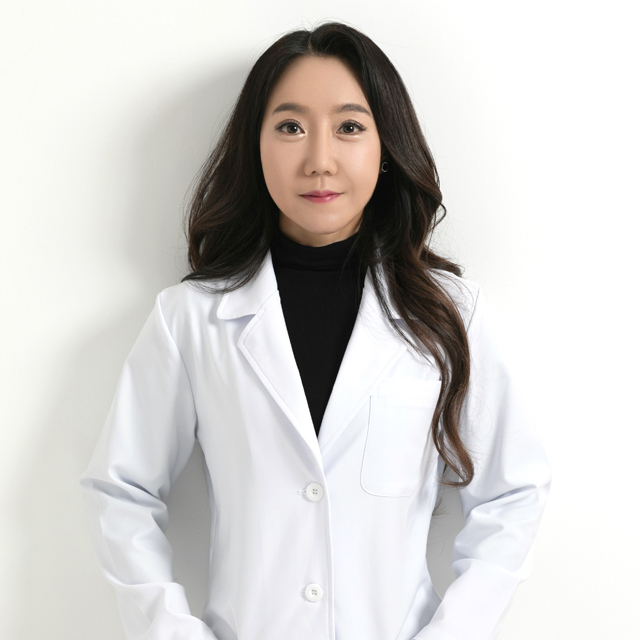
Dr. Min-Jung Kim, KMD, MD
Founder & Lead Practitioner
Dr. Min-Jung Kim Doctor of Oriental Medicine | Dual-Degree Specialist in Western and Oriental Medicine Harvard Medical School Alumna | Two-Time U.S. Senate Award Recipient Over 20 Years of Clinical Experience
Dr. Min-Jung Kim brings a level of medical depth to knee pain care that is genuinely rare. Her academic training at Harvard Medical School, combined with formal qualification in Oriental Medicine, gives her the ability to assess knee conditions through two clinical lenses simultaneously — evaluating both the structural and the biological dimensions of a patient's pain.
Her advanced specialization in Immunology and Genetics allows her to identify specific biological markers — including immune dysregulation, inflammatory pathway disruptions, and metabolic imbalances — that contribute to joint deterioration and slow recovery. This means that patients whose knee pain has a systemic component, not just a mechanical one, receive a level of diagnostic precision that goes well beyond standard musculoskeletal assessment.
Recognized twice with the U.S. Senate Award and with more than two decades of active clinical practice, Dr. Kim approaches every patient case with both scientific rigor and the personalized attention that is central to the clinic's philosophy: that lasting recovery requires understanding the whole person, not just the presenting symptom.
**Treatment Areas & Expected Improvements **
Kim Min Jung Oriental Medicine Clinic addresses a range of knee conditions and related functional concerns. Each treatment plan is built around the individual patient's diagnosis and physiology.
Degenerative Knee Osteoarthritis This is one of the most common causes of long-term knee pain, particularly in individuals over the age of 55. As cartilage gradually deteriorates, friction between bones increases, causing pain, stiffness, and progressive loss of mobility. At this clinic, treatment focuses on reducing active joint inflammation, supporting the remaining cartilage environment, and strengthening the muscular and soft tissue structures around the joint to reduce load. Patients often report meaningful reductions in daily pain levels and improved walking ability. Results vary depending on the stage of degeneration and individual physiology.
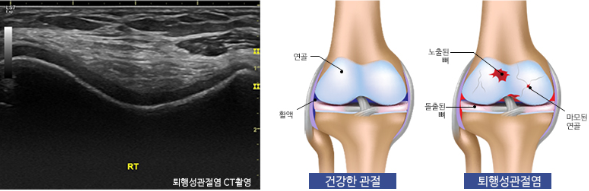
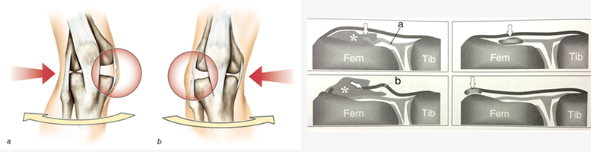
Ligament Injuries (ACL, PCL, MCL, LCL) Ligament injuries — whether from sports trauma, sudden impact, or accumulated strain — cause instability, swelling, and pain that can persist well beyond the acute injury phase. Treatment here addresses both the local tissue environment and the systemic inflammatory response that can delay healing. Chuna manual therapy, pharmacopuncture, and targeted acupuncture protocols are used to support tissue recovery, reduce residual inflammation, and restore functional stability. The degree of recovery depends on the type and severity of the ligament involved.
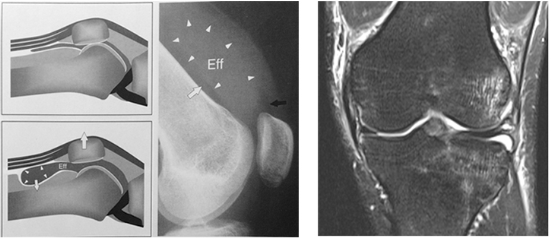
Knee Tendinitis and Overuse Inflammation Tendinitis affecting the patellar tendon or surrounding structures is common among active individuals who run, jump, or engage in repetitive physical work. The chronic nature of this condition means that simply resting is often insufficient. Treatment is designed to address the inflammatory cycle driving ongoing tendon irritation, improve local circulation, and correct the biomechanical or muscular imbalances that contributed to the overuse pattern in the first place. Many patients experience a reduction in localized tenderness and improved pain-free movement over the course of treatment.
Expected Improvements Patients undergoing treatment for knee pain at this clinic may experience:
-
Reduction in daily and activity-related pain
-
Decreased joint swelling and morning stiffness
-
Improved range of motion and walking comfort
-
Greater functional stability during movement
-
Reduced reliance on pain management medications (in consultation with the patient's broader care team)
All outcomes depend on the individual patient's age, condition severity, chronicity of symptoms, and biological response to treatment. No specific results are guaranteed.
**Treatment Process & Timeline **
Step 1 — Initial Consultation Your first appointment begins with a thorough medical history review and a detailed conversation about your symptoms, lifestyle, previous treatments, and health goals. Dr. Min-Jung Kim approaches this initial session as a diagnostic conversation — designed to understand not just what hurts, but why.
Step 2 — Diagnostic Assessment Depending on your clinical picture, assessment may include physical evaluation of joint mobility, alignment, and soft tissue status, as well as review of any existing imaging (X-ray, MRI). Where relevant, Dr. Kim's expertise in immunology and genetics informs a deeper look at systemic contributors — including inflammation markers and metabolic factors — that may be driving your knee condition.
Step 3 — Individualized Treatment Plan A personalized treatment protocol is developed based on your diagnosis. This plan integrates the appropriate combination of acupuncture modalities, herbal medicine, physical therapy, and manual therapy — sequenced according to your specific condition, stage, and physiological profile.
Step 4 — Active Treatment Phase Treatment sessions are conducted at a frequency determined by the severity of your condition and your response to care. Key modalities used in knee pain treatment include:
-
Balance Method Acupuncture — a precision acupuncture approach that targets pain relief and functional restoration
-
Electroacupuncture — the application of gentle electrical stimulation through acupuncture needles to support nerve regeneration and reduce deep inflammation
-
Pharmacopuncture — the injection of refined herbal extracts at specific acupoints to support local tissue healing
-
Custom Herbal Decoctions — individually formulated herbal medicine prescribed to address your systemic inflammatory and constitutional profile
-
Chuna Manual Therapy — a Korean traditional manual technique addressing structural alignment and soft tissue tension
-
Physical Therapy — supportive rehabilitation focused on muscular strength, joint stability, and movement quality
Step 5 — Progress Review At regular intervals, your response to treatment is assessed. Protocols are adjusted based on clinical progress to ensure the plan remains appropriately targeted as your condition evolves.
Step 6 — Ongoing Support & Maintenance For patients with chronic or degenerative conditions, a long-term management plan may be recommended following the active treatment phase — aimed at maintaining the gains achieved and slowing further deterioration.
**Results, Safety & Longevity **
Traditional Korean Medicine treatments, when administered by qualified practitioners, carry a well-established safety profile. Acupuncture, herbal medicine, and manual therapy — as practiced at this clinic — are non-surgical, minimally invasive, and do not carry the risks associated with long-term pharmaceutical use or operative procedures.
Common minor effects following acupuncture sessions may include temporary soreness at needle sites, mild bruising, or brief fatigue. These are normal physiological responses and typically resolve quickly. All procedures are performed under strict clinical hygiene standards.
The duration and sustainability of results depend on the nature and stage of the knee condition being treated. For acute injuries, patients may experience significant functional improvement within a defined course of treatment. For chronic and degenerative conditions, treatment focuses on reducing active disease burden and slowing progression — results in these cases are often cumulative and build over a series of sessions.
Dr. Kim's integration of immunological and genetic analysis into diagnosis allows for a level of biological precision that supports more durable outcomes: by addressing the systemic drivers of inflammation and degeneration, treatment effects are aimed at the underlying mechanisms, not merely the surface symptoms.
Patients are always informed clearly about realistic expectations before treatment begins. Recovery is a process, and individual responses vary. The clinical goal is meaningful, measurable improvement in quality of life — not a promise of any single outcome.
**Why Choose Kim Min Jung Oriental Medicine Clinic for Knee Pain Treatment? **
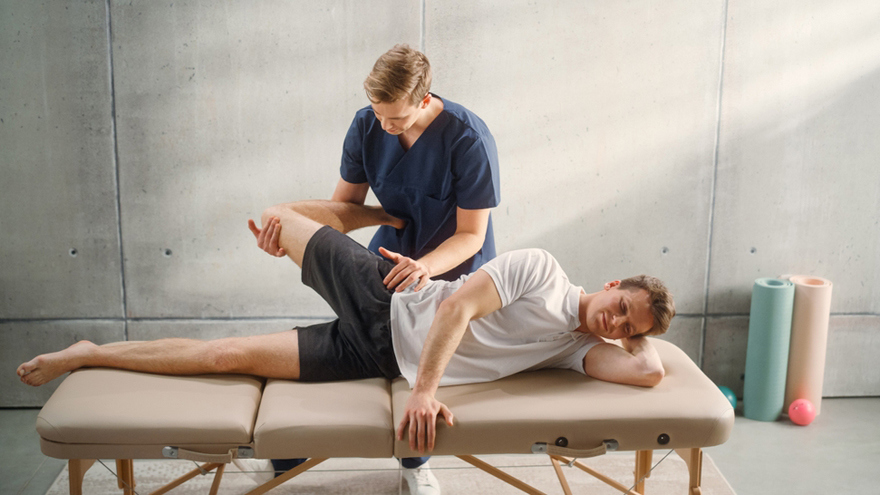
Choosing where to seek care for chronic or complex knee pain is a significant decision. Kim Min Jung Oriental Medicine Clinic offers a combination of credentials, clinical depth, and personalized attention that distinguishes it from standard acupuncture or rehabilitation settings.
Dr. Min-Jung Kim's dual qualification in Western and Oriental Medicine means that she evaluates your knee condition with the full spectrum of clinical knowledge available — not defaulting to one framework at the expense of the other. Her Harvard Medical School training, combined with over 20 years of dedicated clinical practice, gives her an unusually sophisticated understanding of how structural, immunological, metabolic, and musculoskeletal factors interact in joint disease. This cross-disciplinary depth is reflected in every diagnosis she delivers.
The clinic's integration of a Genetic Testing Center into its diagnostic capabilities represents a genuine clinical differentiator. Rather than relying solely on symptom presentation and imaging, patients at this clinic have access to biological profiling that can reveal the specific inflammatory or genetic factors contributing to their knee condition — enabling treatment plans that are genuinely individualized, not templated.
**Clinic USPs: **
**⯈ **Root-cause diagnostic philosophy — treatment plans built on understanding why the knee is deteriorating, not just how to relieve pain temporarily
**⯈ **Advanced clinical credentials — Dr. Kim's background in Immunology, Genetics, Western Medicine, and Oriental Medicine applied to every case
**⯈ **Integrated diagnostic technology — access to genetic testing and modern clinical assessment alongside traditional diagnostic methods
**⯈ **Comprehensive treatment toolkit — a full range of modalities, from Balance Method Acupuncture and Electroacupuncture to custom herbal medicine and Chuna manual therapy, available within a single coordinated care plan
**⯈ **International patient experience — the clinic has a long history of serving patients from outside Korea, with the communication standards and clinical documentation to support internationally mobile patients
**Real Patient Experiences **
Patient A — Chronic Osteoarthritis, Age 62 After years of progressively worsening knee pain and stiffness that made even short walks uncomfortable, this patient sought care following an osteoarthritis diagnosis. Over a course of treatment combining electroacupuncture and custom herbal medicine, she reported a significant reduction in morning stiffness and was able to resume daily walks within two months of beginning care. She described the diagnostic process as the most thorough she had experienced for this condition. [Suggested image: older woman walking comfortably in a park setting]
Patient B — ACL Recovery, Age 34 A recreational football player who sustained an ACL injury during a match sought treatment to support his recovery following initial medical management. He completed a structured course of pharmacopuncture, chuna therapy, and physical therapy at the clinic. He reported improved stability and a faster-than-expected return to light training. He noted that the personalized nature of his treatment plan — adjusted regularly based on his progress — made a meaningful difference to his recovery experience. [Suggested image: active male individual during light exercise or rehabilitation]
Patient C — Patellar Tendinitis, Age 28 A long-distance runner who had been managing persistent knee pain around the patellar tendon for nearly a year without full resolution through physiotherapy alone. Following treatment that addressed both local inflammation and systemic inflammatory contributors identified through clinical assessment, she reported a return to pain-free running over the course of her treatment program. She described the holistic evaluation — which looked beyond the tendon itself — as the reason she finally made progress. [Suggested image: female runner stretching before a run]
Take the First Toward Lasting Knee Pain Relief
Living with knee pain — whether from a recent injury, years of wear, or a condition that has resisted other treatments — affects more than your mobility. It shapes your daily routines, your confidence in movement, and your quality of life.
At Kim Min Jung Oriental Medicine Clinic, Dr. Min-Jung Kim and her team are ready to conduct the kind of thorough, root-cause evaluation your knee condition deserves. Using the combined expertise of Traditional Korean Medicine and modern clinical science, your first consultation will establish not just what is wrong, but what — specifically — can be done about it for your individual physiology and health profile. Every treatment plan is built from the ground up for the patient in front of us, not applied from a standard template.
[Book Your Knee Pain Consultation Today]
To schedule your appointment or to ask a question before your first visit, please contact the clinic directly. International patients are welcome, and the clinic team can assist with appointment coordination and documentation to support your visit.
[Contact Us | Request an Appointment]
Your path to recovery begins with an accurate diagnosis and a plan built around you.
Other Services
Explore additional treatments offered by our specialists.

Weight Management Programs
Weight management within Traditional Korean Medicine is not simply about eating less or moving more.
Learn More

Vaginitis
Vaginitis is an inflammation of the vaginal area caused by infection, microbial imbalance, hormonal disruption, or immune vulnerability.
Learn More

Polycystic Ovary Syndrome (PCOS)
Struggling with PCOS? Dr. Min-Jung Kim offers integrative Korean medicine — acupuncture, herbal therapy & metabolic care. Book your consultation today.
Learn More