Personalized Korean Traditional Medicine & Dedicated International Patient Care


Acupuncture Therapy for Pain Management
Lower Back Pain
Lower back pain is one of the most common — and most misunderstood — conditions in modern healthcare.
Schedule a ConsultationLower Back Pain
**What is Lower Back Pain Treatment in Korean Medicine? **
Lower back pain is one of the most prevalent musculoskeletal complaints seen in clinical practice, yet it is frequently undertreated because its root causes are not properly identified. Lower back pain is not viewed as an isolated symptom — it is understood as a signal of deeper imbalance within the body's structural, neurological, and physiological systems.
At Kim Min Jung Oriental Medicine Clinic, lower back pain treatment begins with a comprehensive evaluation of the underlying cause. Whether the pain originates from a herniated lumbar disc pressing against nerve roots, narrowing of the spinal canal, abnormal spinal curvature, or chronic postural strain, the treatment approach is tailored to the specific diagnosis.
The clinic integrates two primary therapeutic modalities — Chuna Manual Therapy and Acupuncture — within an integrative diagnostic framework informed by Dr. Kim's dual expertise in Western and Oriental Medicine. This allows each patient to receive care that is both grounded in traditional practice and validated by modern clinical understanding.
Rather than suppressing pain with temporary measures, the goal is to restore structural alignment, reduce nerve compression, improve circulation, and activate the body's own healing capacity over a sustainable treatment arc.
**Who Needs Lower Back Pain Treatment? **
Lower back pain affects people across a wide range of ages and lifestyles. You may benefit from treatment at Kim Min Jung Oriental Medicine Clinic if you experience any of the following:
-
Persistent lower back pain that has not resolved with rest or standard care
-
Sharp or aching pain that radiates from the lower back down one or both legs
-
Numbness, tingling, or weakness in the legs or feet
-
Difficulty sitting, standing, or walking for extended periods
-
Pain that worsens when coughing, sneezing, or changing posture
-
Lower back stiffness upon waking or after prolonged inactivity
-
A diagnosed condition such as herniated disc, spinal stenosis, or scoliosis
-
Younger patients (teens to early 30s) with postural or lifestyle-related spinal strain
-
Adults experiencing age-related spinal degeneration with progressive symptoms
-
Individuals seeking a non-surgical, integrative alternative to conventional pain management
Lower back pain that begins mildly and intermittently can progress significantly if left unaddressed. Patients experiencing neurological symptoms — such as leg weakness, foot drop, or changes in bladder or bowel function — are advised to seek prompt clinical assessment.
**Meet The Specialist: Dr. Min-Jung Kim **
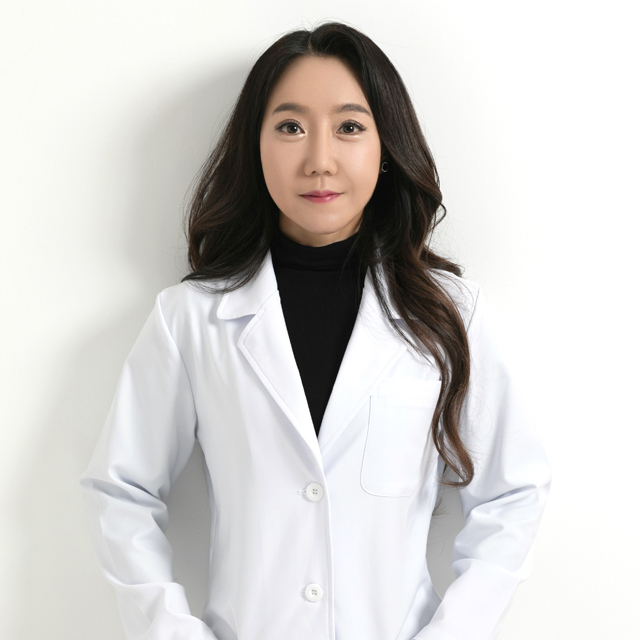
Dr. Min-Jung Kim, KMD, MD
Founder & Lead Practitioner
Dr. Min-Jung Kim, KMD, MD Founder & Lead Practitioner, Kim Min Jung Oriental Medicine Clinic Harvard Medical School Alumna | Dual-Degree Holder in Western & Oriental Medicine Two-Time U.S. Senate Award Recipient | 20+ Years of Clinical Experience
Doctor of Oriental Medicine | Western Medical Degree Holder | Harvard Medical School Alumna Specialty Focus: Pain & Musculoskeletal Care, Immunology, Integrative Medicine Clinical Experience: Over 20 years
Dr. Min-Jung Kim is the founder and lead clinician of Kim Min Jung Oriental Medicine Clinic. She holds dual qualifications in both Western and Oriental Medicine, and completed advanced studies at Harvard Medical School — one of fewer than a handful of practitioners in Korea to bring this level of academic training directly into clinical Oriental medicine practice.
She is a two-time recipient of the U.S. Senate Award, recognizing her contributions to medical research and community healthcare. Her specialist interests in Immunology and Genetics inform a distinctly scientific approach to diagnosis — identifying the biological and systemic factors that drive chronic pain rather than addressing surface-level symptoms alone.
With over two decades of hands-on experience treating spinal and musculoskeletal conditions, Dr. Kim has developed a clinical methodology that is both deeply rooted in Traditional Korean Medicine and continuously informed by evolving biomedical evidence.
Her care philosophy: every patient's pain has a precise origin. Finding and treating that origin is the only sustainable path to recovery.
**Treatment Areas & Expected Improvements **
Our lower back pain program addresses the following clinical conditions and functional concerns:
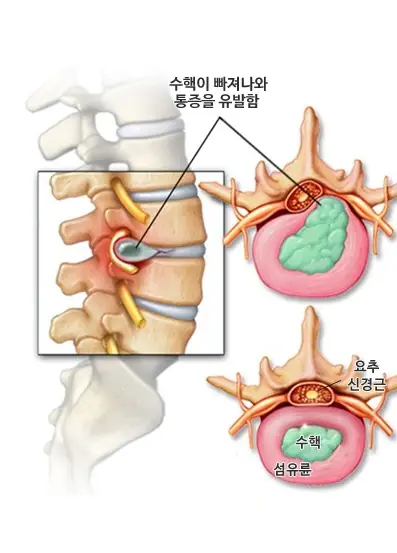
**⯈ **Herniated Lumbar Disc (Lumbar Disc Herniation) A herniated disc occurs when the nucleus of the intervertebral disc protrudes and exerts pressure on adjacent nerve roots. This is one of the most common causes of acute and chronic lower back pain, particularly in adults aged 20 to 40. At Kim Min Jung Oriental Medicine Clinic, herniated disc treatment focuses on reducing local inflammation through targeted acupuncture, restoring spinal alignment through Chuna Manual Therapy, and creating conditions for the body's natural repair mechanisms to operate more effectively. Patients may experience gradual reduction in radiating leg pain, improved mobility, and decreased frequency of acute pain episodes. As with all musculoskeletal conditions, individual responses vary based on the degree of herniation, symptom duration, and overall health.
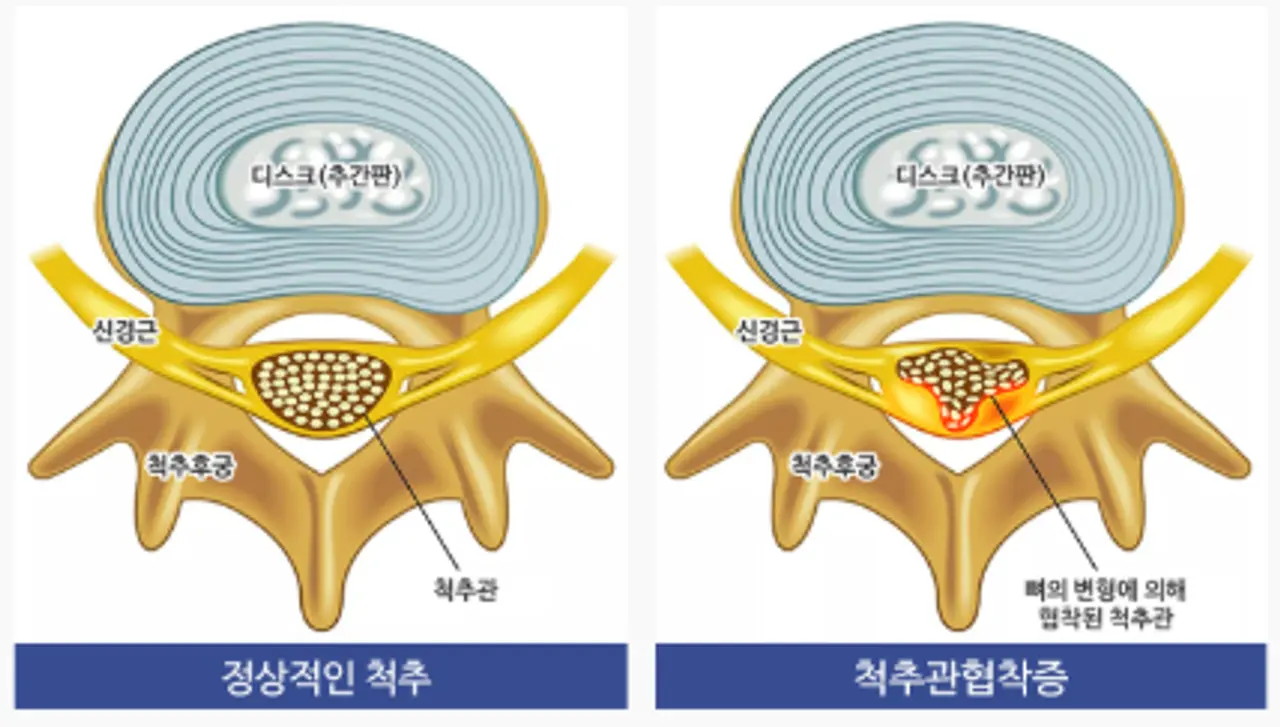
**⯈ **Spinal Canal Stenosis Spinal canal stenosis involves a progressive narrowing of the spinal canal, leading to compression of the nerve roots or spinal cord. It is primarily associated with aging-related degeneration and typically presents as leg pain and fatigue when walking — symptoms that improve when the patient bends forward or rests. Treatment at the clinic aims to reduce neural compression, improve spinal mobility, and address the muscular and ligamentous factors contributing to canal narrowing. Patients with stenosis often experience improvement in walking tolerance, reduction in leg heaviness, and a decrease in the frequency of neurogenic symptoms. Because stenosis develops gradually, sustained treatment over a structured timeline generally yields better outcomes than short-term intervention.
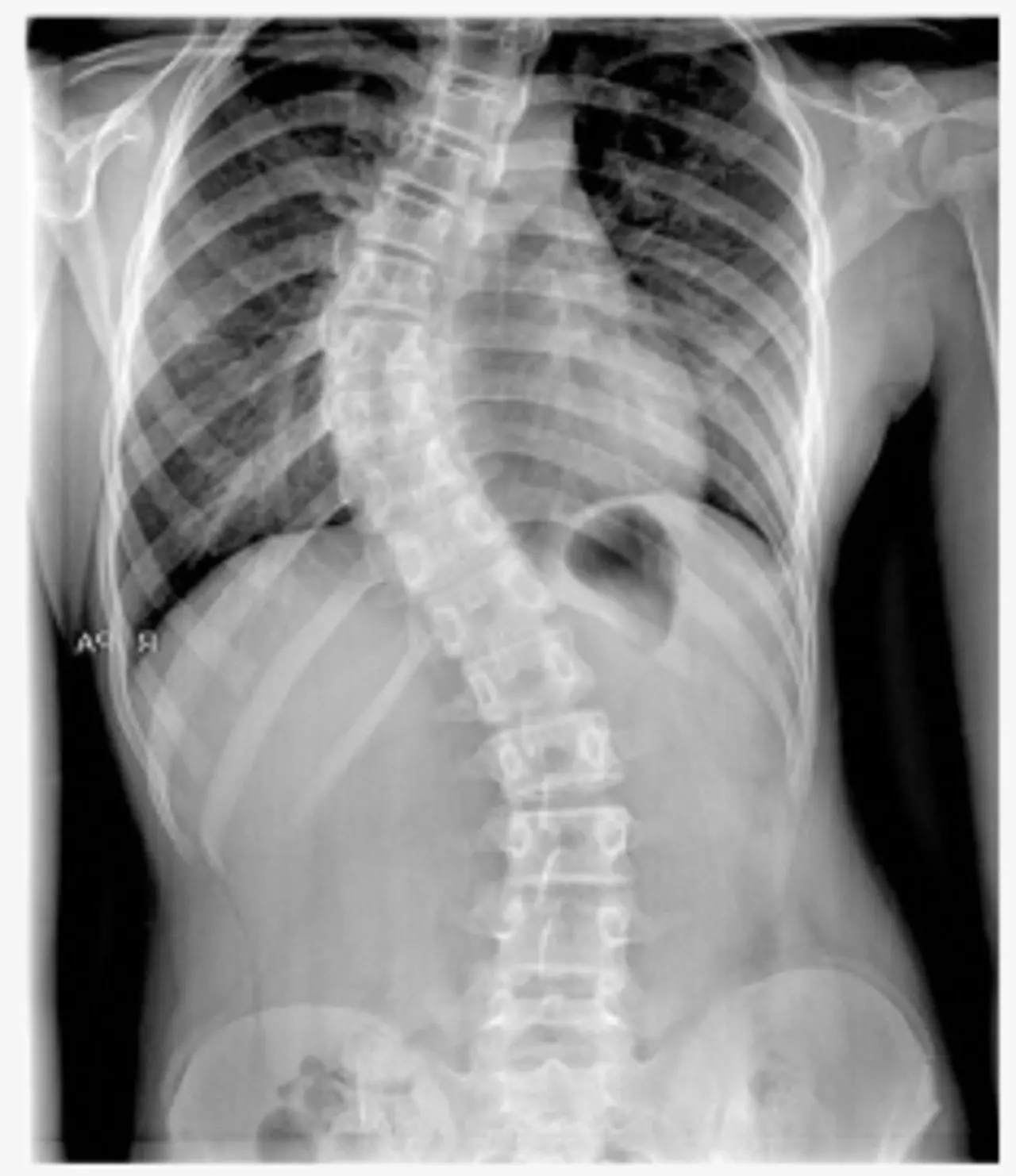
**⯈ **Scoliosis Scoliosis refers to an abnormal lateral curvature of the spine that may be structural or postural in nature. Adolescent idiopathic scoliosis — which develops during periods of rapid growth — is the most common form. Non-structural scoliosis, associated with poor posture, leg length discrepancy, or muscular imbalance, may respond well to targeted manual and therapeutic intervention. Treatment goals include reducing postural asymmetry, alleviating associated back pain and fatigue, and in appropriate cases, supporting spinal realignment over time. A thorough clinical assessment determines whether conservative Korean medicine care is appropriate as a primary or complementary approach for each individual patient.
**⯈ **Chronic Lower Back Pain (Postural & Lifestyle-Related) For patients without a discrete structural diagnosis, chronic lower back pain frequently arises from sustained poor posture, prolonged sitting, muscular imbalance, or the cumulative effects of occupational strain. The clinic's integrative approach addresses these contributing factors through both manual and acupuncture-based care, combined with patient education on postural awareness and lifestyle modification. Expected improvements include reduced baseline pain levels, improved spinal flexibility, and greater endurance for daily activities.
**Treatment Process & Timeline **
Step 1 — Initial Consultation & Root-Cause Analysis The treatment journey begins with a detailed consultation during which Dr. Min-Jung Kim conducts a thorough evaluation of the patient's pain history, symptom patterns, posture, and lifestyle factors. This assessment integrates both Traditional Korean Medicine diagnostic methods and biomedical clinical insight to identify the precise origin of the patient's condition.
Step 2 — Diagnostic Assessment Where necessary, clinical findings are reviewed in conjunction with any available imaging or diagnostic records the patient brings to the consultation. The aim is to build a complete clinical picture — structural, neurological, and systemic — before any treatment plan is confirmed.
Step 3 — Personalized Treatment Planning Based on the assessment findings, a customized treatment programme is developed. This may involve a combination of Chuna Manual Therapy, Acupuncture, and Herbal Medicine, sequenced and weighted according to the patient's specific diagnosis, pain severity, and health goals. No standardized or protocol-driven plans are applied — each programme is built for the individual.
Step 4 — Active Treatment Phase Treatment sessions are conducted by Dr. Kim in a structured clinical environment. Chuna Therapy is applied to correct vertebral and joint misalignment and restore normal biomechanical function. Acupuncture is used to stimulate targeted anatomical points, reduce inflammation, modulate nerve function, and support the body's self-healing responses. Session frequency is determined by the severity of the condition and the patient's response to initial treatment.
Step 5 — Progress Monitoring Clinical progress is assessed on an ongoing basis throughout the treatment course. Patients are encouraged to report changes in pain levels, functional capacity, and daily activity tolerance between sessions. Treatment parameters are adjusted as needed based on observed outcomes.
Step 6 — Maintenance & Long-Term Management Following the active treatment phase, a maintenance protocol may be recommended to consolidate gains, prevent recurrence, and support long-term spinal health. This phase is guided by the patient's individual response and clinical picture.
**Results, Safety & Longevity **
Traditional Korean Medicine treatments — including Chuna Therapy and Acupuncture — are generally well tolerated and carry a favorable safety profile when administered by qualified practitioners. At Kim Min Jung Oriental Medicine Clinic, all procedures are performed by Dr. Min-Jung Kim, whose dual medical training and over two decades of clinical experience ensure that each intervention is conducted with appropriate technique and clinical judgment.
As with any musculoskeletal treatment, individual outcomes vary based on the nature and duration of the condition, the patient's age, overall health, and consistency with the treatment plan. Patients are advised that improvement in chronic conditions typically occurs gradually across a course of treatment, rather than following a single session.
Common post-treatment responses following Chuna Therapy may include mild temporary soreness in the treated area. Acupuncture is generally associated with minimal side effects; mild bruising or local sensitivity at needle sites may occasionally occur. These responses are transient and typically resolve without intervention.
No treatment at the clinic is presented as a permanent cure or guaranteed solution. The goal of care is meaningful, sustained improvement in pain levels, functional capacity, and quality of life — achieved through a root-cause approach rather than ongoing symptomatic suppression.
Patients with significant neurological deficits, rapidly progressing symptoms, or conditions requiring surgical evaluation will be advised accordingly during the consultation process.
**Why Choose Kim Min Jung Oriental Medicine Clinic for Lower Back Pain Treatment? **
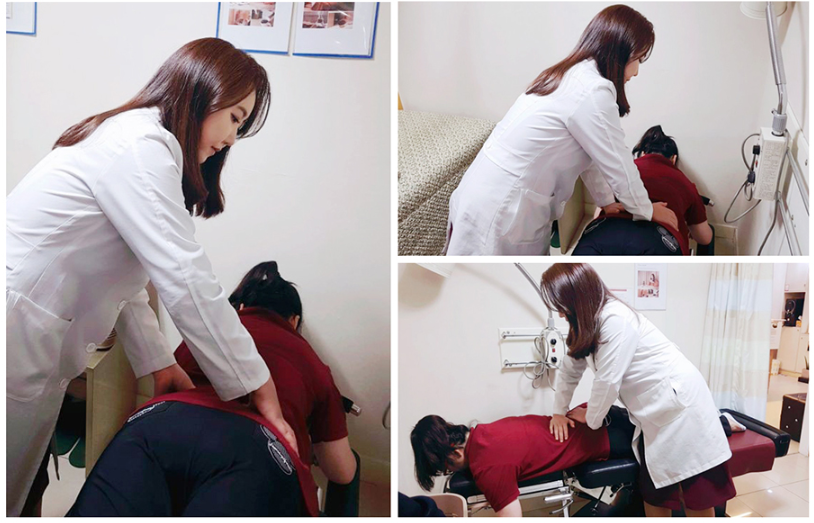
Kim Min Jung Oriental Medicine Clinic occupies a distinctive position in the landscape of integrative pain care. It is not a high-volume clinic offering standardized treatments — it is a specialist practice where clinical depth, academic rigor, and individualized attention define every patient encounter.
Dr. Min-Jung Kim's background is genuinely exceptional. The combination of a formal Western medical degree, Harvard Medical School training, and over 20 years of Traditional Korean Medicine practice is rare in any clinical setting. Her research specializations in Immunology and Genetics give her the tools to look beyond the spine itself — examining the systemic and biological factors that sustain chronic pain — and to address them with precision.
The clinic's three-stage treatment model — cause analysis, personalized programme development, and continuous progress monitoring — reflects a commitment to accountability and clinical integrity. Patients are not managed as a group; they are assessed and treated as individuals with distinct physiological profiles and health histories.
For international patients and those seeking a higher standard of evidence-based integrative care, Kim Min Jung Oriental Medicine Clinic represents a credible, verified choice. The clinic's location in Gangnam, Seoul places it within reach of a broad patient base, and Dr. Kim's multilingual academic background supports clear clinical communication across patient communities.
**Clinic USPs: **
**⯈ **Harvard Medical School alumna leading every consultation and treatment
**⯈ **Dual Western and Oriental Medicine qualifications — rare in Korean clinical practice
**⯈ **Root-cause diagnostic model informed by Immunology and Genetics
**⯈ **Two-time U.S. Senate Award recipient — internationally recognized clinical contributions
**⯈ **Fully personalized treatment programmes with structured progress review
**⯈ **Non-surgical, integrative approach appropriate for a wide range of spinal conditions
Real Patient Experiences
Patient A | Female, 34 | Office Worker — Herniated Disc with Leg Pain After several months of lower back pain that progressively began radiating down her right leg, this patient presented with difficulty sitting through her working day and disturbed sleep. Following a root-cause assessment, a combined programme of Acupuncture and Chuna Manual Therapy was initiated. Over the course of her treatment plan, she reported a marked reduction in leg pain frequency, restored ability to sit comfortably for extended periods, and significantly improved sleep quality. Suggested image: Patient seated comfortably at a desk, natural light, calm professional setting.
Patient B | Male, 58 | Retired Professional — Spinal Canal Stenosis This patient presented with the classic stenosis pattern — lower back and bilateral leg pain that developed after walking short distances, relieved by sitting or bending forward. He had avoided surgery and sought a conservative approach. Following structured Korean medicine treatment, he reported a gradual but consistent increase in the distance he could walk without symptoms, and a reduction in the heaviness and fatigue he had previously experienced in his legs. Suggested image: Older male walking outdoors with ease, natural daylight, unhurried movement.
Patient C | Female, 16 | Student — Adolescent Idiopathic Scoliosis Referred by her family following a school screening that identified spinal asymmetry, this patient presented with mild postural imbalance and occasional back fatigue. A conservative management programme was developed in consultation with her family, focusing on postural support and symptomatic relief during her growth period. Her family noted improved postural awareness and reduced back fatigue over the treatment course. Suggested image: Teenage girl standing straight, relaxed posture, neutral background.
**Ready to Address the Root Cause of Your Lower Back Pain? **
Chronic lower back pain does not resolve on its own — and masking symptoms without understanding their origin rarely leads to lasting relief. At Kim Min Jung Oriental Medicine Clinic, Dr. Min-Jung Kim applies over 20 years of integrative clinical expertise and Harvard-level biomedical training to identify what is truly driving your pain and build a personalized treatment plan designed to restore your function and quality of life. Whether you are managing a herniated disc, spinal stenosis, scoliosis, or persistent lower back pain without a clear diagnosis, your first step is a thorough, professional consultation with a clinician who will take the time to understand your condition in full.
Book your consultation with Dr. Min-Jung Kim today and begin your recovery on a foundation of evidence, precision, and genuine care.
Secondary Contact: For enquiries about treatment programmes, appointment availability, or international patient services, please contact the clinic directly.
Reassurance: All consultations are conducted personally by Dr. Min-Jung Kim. Your clinical information is handled with complete confidentiality. There is no obligation following your initial assessment.
Other Services
Explore additional treatments offered by our specialists.

Weight Management Programs
Weight management within Traditional Korean Medicine is not simply about eating less or moving more.
Learn More

Vaginitis
Vaginitis is an inflammation of the vaginal area caused by infection, microbial imbalance, hormonal disruption, or immune vulnerability.
Learn More
Polycystic Ovary Syndrome (PCOS)
Struggling with PCOS? Dr. Min-Jung Kim offers integrative Korean medicine — acupuncture, herbal therapy & metabolic care. Book your consultation today.
Learn More