Personalized Korean Traditional Medicine & Dedicated International Patient Care


Acupuncture Therapy for Pain Management
Neck Pain
Neck pain is one of the most common musculoskeletal complaints in modern life — and one of the most frequently undertreated.
Schedule a ConsultationNeck Pain
**What is Neck Pain Treatment in Korean Medicine? **
Neck pain is one of the most common musculoskeletal complaints in modern life — and one of the most frequently undertreated. Conventional approaches often address surface-level discomfort through medication or short-term physiotherapy without examining what is driving the condition from within.
Traditional Korean Medicine takes a fundamentally different view. Rather than isolating the neck as a single anatomical structure, it evaluates the cervical spine in the context of the whole body — assessing meridian flow, internal organ balance, musculoskeletal alignment, and neurological function together.
At Kim Min Jung Oriental Medicine Clinic, neck pain treatment integrates this holistic framework with Western diagnostic precision. Each treatment plan is designed to reduce inflammation, restore structural alignment, repair damaged tissues, and rebalance the internal systems contributing to chronic or recurring cervical pain. The goal is not temporary relief — it is lasting recovery through root-cause resolution.
**Who Needs Neck Pain Treatment? **
Neck pain can affect people at any age and across many different lifestyle contexts. You may benefit from a specialist evaluation if you experience:
-
Persistent stiffness or reduced range of motion in the neck or upper spine
-
Radiating pain, tingling, or numbness into the shoulders, arms, or hands
-
Headaches or eye fatigue linked to cervical tension
-
Neck pain that worsens after prolonged screen use, desk work, or poor sleep posture
-
A diagnosis or suspected diagnosis of cervical disc herniation, kyphosis, or torticollis
-
Recurring muscle spasms or tension that do not resolve with rest
-
A feeling of heaviness or fatigue in the neck and upper back
-
Neck pain that has not responded adequately to conventional treatment alone
Patients who seek care at Kim Min Jung Oriental Medicine Clinic often come after months or years of unresolved symptoms. Many have tried medication, physiotherapy, or imaging with inconclusive results. What connects them is a desire for thorough, individualized care that identifies and addresses the actual source of their condition.
**Meet The Specialist: Dr. Min-Jung Kim **
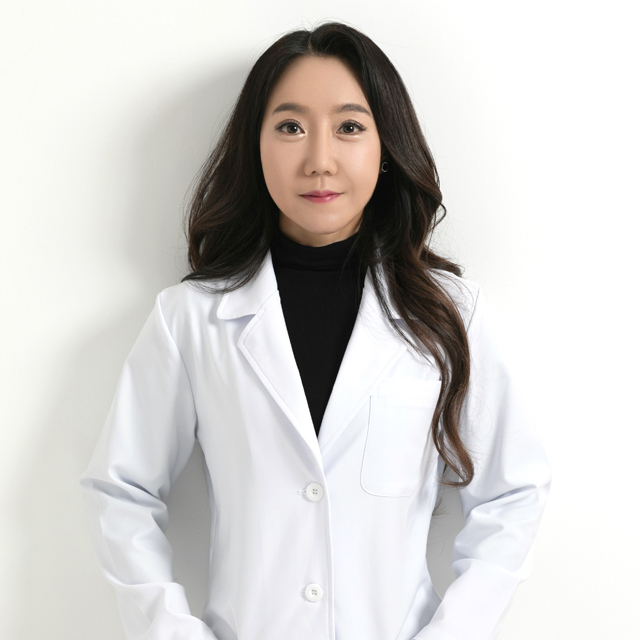
Dr. Min-Jung Kim, KMD, MD
Founder & Lead Practitioner
Dr. Min-Jung Kim Doctor of Oriental Medicine | Dual Degree: Western Medicine & Oriental Medicine Harvard Medical School Alumna | Advanced Studies in Immunology and Genetics Two-Time U.S. Senate Award Recipient Over 20 Years of Clinical Experience in Pain and Musculoskeletal Care
Dr. Kim is one of a rare generation of clinicians trained simultaneously in the principles of Western biomedical science and the depth of Traditional Korean Medicine. Her academic background at Harvard Medical School, combined with advanced knowledge of Immunology and Genetics, gives her a uniquely analytical lens through which to evaluate musculoskeletal conditions — including those that have proven difficult to diagnose or treat through conventional methods alone.
In her clinical practice of over two decades, Dr. Kim has worked with a wide spectrum of neck pain presentations — from postural dysfunction and early cervical degeneration to complex nerve compression and chronic disc conditions. She approaches every case with the same standard: a meticulous diagnostic evaluation, a precisely individualized treatment plan, and a commitment to long-term patient wellbeing.
Her philosophy is grounded in the belief that genuine recovery requires understanding the patient fully — not just the complaint. Every treatment decision at Kim Min Jung Oriental Medicine Clinic reflects that standard.
**Treatment Areas & Expected Improvements **
Neck pain treatment at Kim Min Jung Oriental Medicine Clinic targets multiple structural and functional dimensions of cervical health:
**⯈ **Cervical Disc and Structural Alignment Cervical disc herniation and abnormal spinal curvature — including forward head posture syndrome and cervical kyphosis — alter the mechanical loading of the neck and place chronic stress on surrounding tissues. Treatment aims to reduce disc-related inflammation, decompress affected nerve pathways, and restore healthier alignment through Chuna manual therapy and targeted acupuncture. Patients with these conditions may notice improved posture, reduced radiating symptoms, and greater ease of movement over the course of treatment.
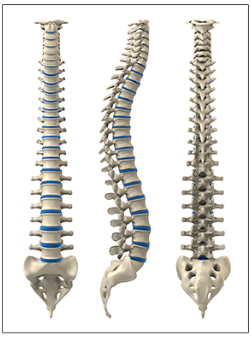
**⯈ **Nerve Compression and Neurological Symptoms When compressed cervical nerves produce radiating pain, tingling, or numbness into the arms and shoulders, Electroacupuncture is applied to stimulate nerve repair mechanisms and reduce localized neurological inflammation. This approach works at a tissue level, supporting the body's capacity to reduce pressure on affected nerve roots. Individual responses vary depending on the severity and duration of compression.
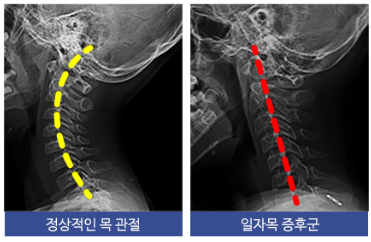
**⯈ **Muscle Tension, Spasm, and Torticollis Involuntary muscle contraction — as seen in torticollis — and chronic tension patterns respond to a combined approach of Balance Method Acupuncture, pharmacopuncture, and physical therapy. These modalities work together to release muscular holding patterns, improve circulation to affected areas, and reduce the reactivity of the neuromuscular system. Most patients report meaningful relief in stiffness and a gradual restoration of head and neck mobility.
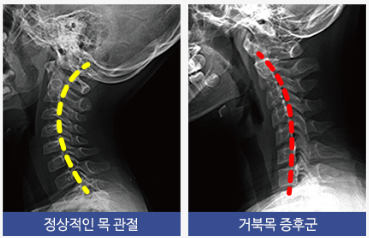
**⯈ **Postural Dysfunction from Screen Use Forward head posture syndrome, increasingly prevalent due to extended device use, reduces the natural cervical curve and places excessive demand on the neck's supporting structures. Treatment addresses both the structural correction and the muscular retraining needed to sustain improved posture. Patients are guided through realistic expectations about the timeline for postural change, which typically requires consistent treatment and lifestyle adjustment.
**⯈ **Systemic and Internal Contributors Because Traditional Korean Medicine considers the whole body, treatment also addresses internal imbalances — including immune dysregulation, circulatory insufficiency, or hormonal factors — that may be contributing to chronic inflammation or slow tissue recovery. Herbal decoctions are formulated individually to support healing at this systemic level, complementing the structural work of acupuncture and manual therapy.
Expected improvements across these areas may include: reduced pain frequency and intensity, improved cervical range of motion, decreased nerve-related symptoms, better sleep quality, reduced headache frequency, and greater functional comfort in daily activities. Results vary between individuals and are influenced by the type, severity, and duration of the condition.
Chuna Therapy & Postural Correction
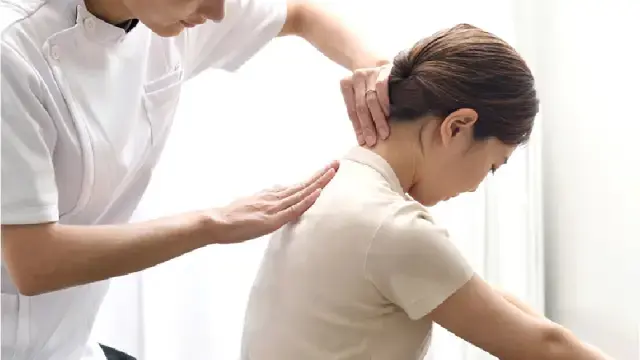
**⯈**What Is Chuna Therapy?
Chuna therapy is a specialized manual treatment method rooted in Korean medicine tradition. Using controlled, precise force applied through the practitioner's hands or specialized tools, it corrects misaligned joints, releases structural tension, and restores proper biomechanical balance throughout the musculoskeletal system. It is one of the foundational treatment modalities at Kim Min Jung Oriental Medicine Clinic and plays a central role in the clinical management of neck pain, spinal dysfunction, and postural imbalance.
The underlying principles of Chuna therapy focus on restoring structural balance and correcting biomechanical relationships that have been disrupted by injury, degeneration, or habitual postural strain. By doing so, it enhances the recovery capacity of muscles and joints, stimulates circulation in affected tissues, and supports the body's own natural healing processes. Unlike generalized manual techniques, Chuna applies targeted, condition-specific corrections — making it a precise and clinically purposeful intervention rather than a symptomatic comfort measure.
**⯈**Benefits of Chuna Therapy
Chuna therapy provides both immediate structural relief and longer-term functional recovery. Its documented benefits include:
-
Correction of misaligned cervical, spinal, and pelvic joints
-
Relief of muscle tension, ligament strain, and localized inflammation
-
Restoration of smooth joint movement and improved biomechanical function
-
Enhanced circulation around treated joints, supporting tissue repair and accelerated recovery
-
Relaxation of tight or contracted muscles, reducing pain and improving blood flow
-
A safe treatment approach with minimal side effects when administered by trained practitioners
-
Root-cause structural correction rather than symptomatic pain management alone
-
Improvement in spinal flexibility and overall musculoskeletal function
**⯈**Conditions Suitable for Chuna Therapy
Chuna therapy at Kim Min Jung Oriental Medicine Clinic is indicated for a range of musculoskeletal and spinal conditions, including:
-
Herniated disc (cervical and lumbar)
-
Neck pain, shoulder pain, and lower back pain
-
Pelvic imbalance or spinal misalignment
-
Scoliosis
-
VDT (visual display terminal) syndrome — pain and tension arising from prolonged screen use
-
Posture-related headaches and dizziness
Each patient's suitability for Chuna treatment is assessed individually before therapy begins, ensuring that the approach is appropriate to the specific presentation and stage of the condition.
**Treatment Process & Timeline **
Step 1 — Initial Consultation Your first appointment begins with a comprehensive conversation about your neck pain history, symptom patterns, lifestyle factors, posture habits, and any previous diagnoses or treatments. Dr. Kim reviews all relevant information to form a clear picture of your condition before any treatment begins.
Step 2 — Diagnostic Evaluation A thorough physical and functional assessment is conducted, examining cervical range of motion, postural alignment, pelvic balance, neurological signs, and musculoskeletal integrity. Where appropriate, Dr. Kim integrates Western diagnostic data — including imaging results — with Traditional Korean Medicine assessment principles including meridian evaluation and internal balance analysis.
Step 3 — Individualized Treatment Planning Based on your full diagnostic profile, Dr. Kim designs a treatment plan specific to your condition, physiology, and recovery goals. This plan outlines the combination of modalities to be used — which may include Chuna therapy, postural correction, acupuncture, Electroacupuncture, herbal medicine, and pharmacopuncture — along with the expected frequency of sessions and phased approach to recovery.
Step 4 — Active Treatment Phase Treatment sessions integrate the modalities most appropriate to your condition. Chuna therapy is incorporated to address structural misalignment and postural dysfunction, while acupuncture and herbal support work in parallel to manage inflammation, support tissue healing, and restore systemic balance. Sessions are scheduled on a regular basis, with frequency adjusted as your condition responds.
Step 5 — Progress Review and Adaptation At defined intervals, Dr. Kim reassesses your response to treatment. Adjustments are made to the treatment protocol based on clinical progress, ensuring that care remains precisely matched to your evolving structural and physiological needs.
Step 6 — Long-Term Support and Prevention As acute symptoms resolve, the focus shifts to consolidating structural improvements, reinforcing postural correction gains, and preventing recurrence. Patients receive guidance on posture, ergonomics, movement habits, and lifestyle factors that support sustained cervical and spinal health beyond the active treatment period.
**Results, Safety & Longevity **
Patients treated at Kim Min Jung Oriental Medicine Clinic for neck pain typically progress through identifiable phases — initial reduction in acute pain, gradual restoration of mobility, improved neurological symptoms, and longer-term stabilization of the cervical spine. The pace of this progression depends on individual factors including the underlying diagnosis, duration of the condition, and overall health status.
The treatments offered — acupuncture, Electroacupuncture, Chuna manual therapy, pharmacopuncture, and herbal medicine — have established safety profiles and are administered by a clinician with over 20 years of specialist experience. Side effects are generally mild and transient, and may include minor soreness at acupuncture sites or temporary fatigue following treatment. All care is delivered within a professional clinical setting with appropriate patient monitoring.
No treatment outcome can be guaranteed. Results are influenced by the complexity of the condition, patient adherence to the recommended care plan, and individual physiological variation. Dr. Kim is committed to transparent communication throughout the treatment process — patients are given realistic expectations from the outset and are supported in making informed decisions about their care at every stage.
Herbal prescriptions are formulated individually and reviewed regularly. Patients with known allergies, concurrent medications, or complex health histories are assessed carefully before any herbal protocol is initiated.
**Why Choose Kim Min Jung Oriental Medicine Clinic for Neck Pain Treatment? **

Kim Min Jung Oriental Medicine Clinic occupies a distinctive position in integrative musculoskeletal care. It is not a clinic that applies standardized protocols to common complaints. It is a specialist environment in which every patient's neck pain is understood as an expression of their unique physiology, history, and health context — and treated accordingly.
Dr. Min-Jung Kim's dual training in Western Medicine and Oriental Medicine, combined with her academic grounding in Immunology and Genetics at Harvard Medical School, gives her an analytical depth that is rare in any clinical setting. This background enables her to move fluidly between biomedical diagnosis and the pattern-based reasoning of Traditional Korean Medicine — drawing on both to arrive at the most complete understanding of each patient's condition.
The clinic's Gangnam location has served both local and international patients across more than two decades of practice. For patients traveling from abroad, the clinic offers a structured pathway from initial consultation through to a comprehensive treatment plan — with the flexibility to accommodate varied schedules and the communication standards expected by internationally oriented patients.
**Clinic USPs: **
**⯈ **Root-cause diagnostic philosophy — treatment plans built on understanding why the knee is deteriorating, not just how to relieve pain temporarily
**⯈ **Advanced clinical credentials — Dr. Kim's background in Immunology, Genetics, Western Medicine, and Oriental Medicine applied to every case
**⯈ **Integrated diagnostic technology — access to genetic testing and modern clinical assessment alongside traditional diagnostic methods
**⯈ **Comprehensive treatment toolkit — a full range of modalities, from Balance Method Acupuncture and Electroacupuncture to custom herbal medicine and Chuna manual therapy, available within a single coordinated care plan
**⯈ **International patient experience — the clinic has a long history of serving patients from outside Korea, with the communication standards and clinical documentation to support internationally mobile patients
Patient Experiences
Patient A — Office Professional, Mid-30s After more than two years of recurring neck stiffness and tension headaches linked to long hours at a computer, this patient sought evaluation for suspected forward head posture syndrome. Following a comprehensive assessment, Dr. Kim designed a treatment plan incorporating Balance Method Acupuncture and customized herbal support. Over the course of treatment, the patient reported a progressive reduction in headache frequency, improved neck mobility, and greater comfort during working hours. Suggested image: Professional seated comfortably at desk, relaxed posture, natural light.
Patient B — Active Adult, Late 40s This patient presented with radiating pain and intermittent numbness in the right arm, associated with cervical disc herniation confirmed on imaging. Dr. Kim integrated Electroacupuncture and Chuna manual therapy into a structured treatment plan aimed at reducing nerve compression and supporting disc recovery. Over successive sessions, nerve-related symptoms decreased and cervical range of motion improved meaningfully. Suggested image: Person moving arm comfortably, calm clinical setting in background.
Patient C — International Patient, Early 50s Traveling from abroad specifically to seek integrative care for chronic neck pain unresolved through conventional treatment, this patient underwent a thorough diagnostic evaluation combining Western imaging data with Traditional Korean Medicine assessment. A multi-modal treatment plan was initiated during the visit, with herbal protocols and follow-up guidance provided for continuation at home. The patient reported significant pain reduction and improved function within the treatment period. Suggested image: Calm consultation room, patient and doctor in discussion, professional setting.
**Ready to Address Your Neck Pain at its Source? **
If you have been managing neck pain, stiffness, disc-related symptoms, or postural discomfort without lasting resolution, a comprehensive evaluation at Kim Min Jung Oriental Medicine Clinic may provide the clarity and direction you need. Dr. Min-Jung Kim will conduct a thorough assessment of your condition — structural, neurological, and systemic — and design a treatment plan built specifically around your physiology, your history, and your recovery goals. This is individualized care, grounded in over 20 years of integrative clinical experience, delivered by a Harvard-trained specialist who brings both Western diagnostic rigour and the restorative depth of Traditional Korean Medicine to every patient she sees. Take the first step toward lasting cervical health.
Book Your Consultation with Dr. Min-Jung Kim
Prefer to reach us directly? Contact the clinic by phone or through our online enquiry form. Our team will respond promptly to help you schedule your appointment at a time that suits you.
Your cervical health deserves more than temporary relief. It deserves a solution.
Other Services
Explore additional treatments offered by our specialists.

Weight Management Programs
Weight management within Traditional Korean Medicine is not simply about eating less or moving more.
Learn More

Vaginitis
Vaginitis is an inflammation of the vaginal area caused by infection, microbial imbalance, hormonal disruption, or immune vulnerability.
Learn More

Polycystic Ovary Syndrome (PCOS)
Struggling with PCOS? Dr. Min-Jung Kim offers integrative Korean medicine — acupuncture, herbal therapy & metabolic care. Book your consultation today.
Learn More