Personalized Korean Traditional Medicine & Dedicated International Patient Care


Female Reproductive System Disorder Care
Postpartum Recovery
Postpartum recovery care is appropriate for any mother experiencing physical, emotional, or hormonal challenges following childbirth.
Schedule a ConsultationPostpartum Recovery
What Is Postpartum Recovery in Traditional Korean Medicine?
Childbirth is one of the most profound physiological events the human body undergoes. In the weeks and months that follow, the body must accomplish an extraordinary range of restorative processes — hormonal recalibration, uterine healing, immune system remodeling, musculoskeletal realignment, and emotional rebalancing — often while simultaneously supporting a newborn.
Traditional Korean Medicine (TKM) has recognized this critical window for thousands of years. In Korean medical tradition, the postpartum period — typically spanning six to eight weeks after delivery — is treated as a time of heightened vulnerability and exceptional healing potential. When properly supported, this window becomes an opportunity to restore the body more completely than many new mothers believe possible.
At Kim Min Jung Oriental Medicine Clinic, postpartum recovery is approached through the lens of both Eastern clinical tradition and Western biomedical science. Dr. Kim's integrative methodology addresses the root causes of postpartum depletion — not simply its surface symptoms — by combining targeted acupuncture, electroacupuncture, and precisely compounded herbal medicine with personalized dietary guidance rooted in both modern nutritional science and traditional postnatal wisdom.
In Korean medicine, a significant cluster of postpartum symptoms is classified under the term Sanhu Pung, or postpartum wind disorder. This refers to a range of physical and emotional symptoms that arise when a weakened postpartum body is exposed to physiological or environmental stressors — including impaired circulation, blood stasis, musculoskeletal overuse, and reduced immune function. Left unaddressed, these imbalances can contribute to long-term fatigue, chronic pain, hormonal irregularity, and mood disorders that extend well beyond the immediate postnatal period.
Who Needs Postpartum Recovery Treatment?
The postpartum period affects every new mother differently. Some experience significant physical symptoms within days of delivery. Others notice a gradual decline in energy, mood, or physical comfort over the following weeks and months. Postpartum recovery treatment is appropriate for:
-
Women in the immediate postpartum period (0–8 weeks after delivery) seeking structured, comprehensive recovery support
-
Mothers experiencing persistent lower back, pelvic, knee, hand, or foot pain following childbirth
-
Women noticing unusual sensitivity to cold, joint stiffness, or widespread body aches
-
New mothers struggling with postpartum fatigue that does not resolve with rest
-
Women experiencing postpartum mood changes, including anxiety, low mood, irritability, or disrupted sleep
-
Mothers dealing with postpartum edema and water retention
-
Women seeking safe, evidence-based support for healthy lactation
-
Mothers looking to restore their pre-pregnancy weight through a structured, medically supervised program
-
Women who experienced physically demanding deliveries and wish to support musculoskeletal and pelvic floor recovery
-
Those seeking a natural, integrative pathway to postnatal healing that addresses both body and mind
Meet the Specialist
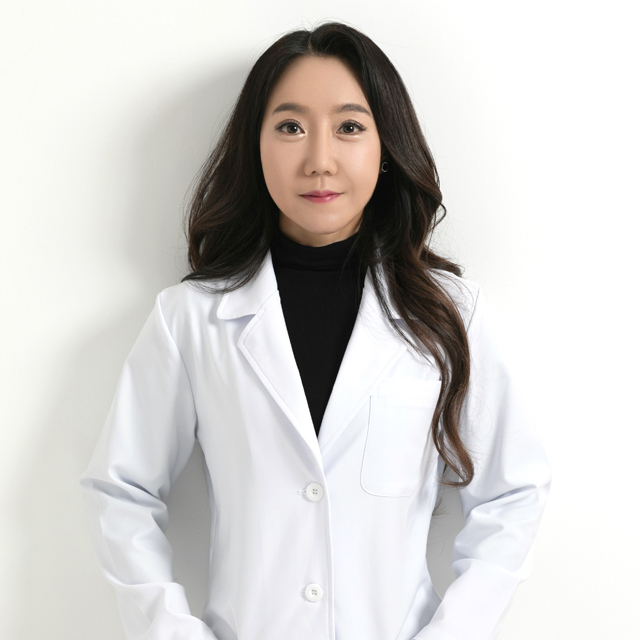
Dr. Min-Jung Kim, KMD, MD
Founder & Lead Practitioner
Dr. Min-Jung Kim, M.D. (Oriental Medicine) | Western Medicine Graduate, Harvard Medical School
With over 20 years of clinical practice and a uniquely dual-credential background, Dr. Min-Jung Kim is one of the most comprehensively trained postpartum care specialists practicing in the field of Traditional Korean Medicine today.
Dr. Kim holds advanced qualifications in both Western medicine — including graduate-level training at Harvard Medical School with specialization in Immunology and Genetics — and Oriental Medicine, a combination that allows her to approach postpartum health with exceptional diagnostic depth. A two-time U.S. Senate Award recipient, Dr. Kim's clinical work is recognized for its scientific integrity, patient-centered philosophy, and long-term therapeutic outcomes.
Her postpartum recovery approach does not follow a generic protocol. Every new mother who enters Kim Min Jung Oriental Medicine Clinic receives a thorough evaluation of her individual physiological profile — including hormonal status, circulatory health, immune function, musculoskeletal condition, and emotional wellbeing — before a personalized treatment plan is assembled. This commitment to individualized care reflects Dr. Kim's core clinical belief: that sustainable postpartum recovery begins only when the specific needs of each patient are accurately identified and addressed.
Treatment Areas and Expected Improvements
Hormonal Recalibration Following childbirth, estrogen and progesterone levels drop sharply, triggering a cascade of physiological changes. Acupuncture and custom herbal medicine are used to support the body's natural endocrine recovery, helping to stabilize mood, regulate the menstrual cycle's gradual return, and reduce the hormonal dysregulation that contributes to postpartum mood disorders and fatigue. Patients often report improved emotional stability and energy levels as hormonal balance is progressively restored. Individual timelines vary based on delivery type, breastfeeding status, and baseline hormonal health.
Uterine Recovery and Reproductive Health Uterine involution — the process by which the uterus returns to its pre-pregnancy size and position — is a central focus of Phase 1 treatment. Targeted acupuncture protocols and herbal decoctions are selected to support circulation to the uterus, reduce residual blood stasis, and create an optimal internal environment for healing. Patients may notice a reduction in postpartum cramping, improved lochia progression, and a stronger sense of pelvic stability. Recovery outcomes are influenced by delivery circumstances, age, and the individual's baseline circulatory health.
Postpartum Fatigue and Energy Restoration Significant physical and blood depletion accompanies the labor and delivery process. Traditional Korean Medicine addresses this at a foundational level through herbal tonics that replenish vital energy reserves (Qi) and nourish blood. Patients frequently report meaningful improvements in sustained energy levels, reduced midday exhaustion, and a greater capacity to manage the physical demands of early motherhood. Results are progressive and typically become more pronounced over the first four to six weeks of treatment.
Musculoskeletal Pain and Joint Recovery Labor, delivery, and the physical demands of newborn care place considerable strain on the lower back, pelvis, knees, wrists, and hands. Electroacupuncture targets affected nerve pathways and muscle groups to reduce inflammation, improve circulation, and restore functional strength. Pain relief is often experienced within the early stages of treatment, though full musculoskeletal recovery is a gradual process that benefits from consistent, staged care.
Postpartum Edema and Metabolic Support Retained fluid and sluggish postpartum metabolism are common concerns in the weeks following delivery. Herbal treatment and acupuncture support the body's natural lymphatic drainage and metabolic renewal, helping to reduce swelling, improve elimination, and lay the physiological foundation for healthy weight restoration in Phase 2. Individual responses to edema treatment vary based on dietary habits, activity level, and the extent of fluid retention at the time of treatment commencement.
Emotional Wellbeing and Psychological Support Postnatal mood changes — including anxiety, irritability, low motivation, disrupted sleep, and early signs of postpartum depression — are addressed through the calming and regulatory effects of TKM modalities. Acupuncture's influence on the autonomic nervous system can support a shift away from sustained stress activation, while herbal medicine contributes to overall emotional stability. This dimension of care is integrated into every treatment plan, reflecting the clinic's recognition that postpartum recovery is never purely physical.
Lactation Support Where breastfeeding is a priority, Phase 1 herbal formulations are carefully compounded to support healthy milk production without compromising maternal or infant safety. Acupuncture points associated with lactation support are incorporated into treatment sessions as appropriate. Patients are encouraged to discuss their breastfeeding goals and timeline at the initial consultation so that treatment can be precisely calibrated.
Treatment Process and Timeline

Step 1 — Comprehensive Initial Consultation Dr. Kim conducts a thorough intake evaluation drawing on both Western diagnostic frameworks and Oriental Medicine assessment methods. This includes a detailed review of medical history, delivery circumstances, current symptoms, emotional status, dietary habits, and breastfeeding considerations. This dual-lens assessment ensures that every treatment recommendation is grounded in an accurate understanding of the individual patient's physiological state.
Step 2 — Individualized Treatment Planning Based on the consultation findings, Dr. Kim designs a structured, two-phase postpartum recovery program tailored to the patient's specific needs, timeline, and health goals. Phase 1 focuses on uterine healing, pain management, fatigue recovery, and breastfeeding support. Phase 2 transitions to healthy metabolic restoration and postnatal weight management when the patient is physiologically ready.
Step 3 — Phase 1 Treatment — Uterine Recovery and Physical Restoration Treatment sessions begin with acupuncture and electroacupuncture protocols targeting uterine health, circulatory improvement, musculoskeletal pain relief, and hormonal stabilization. Breastfeeding-safe herbal decoctions are prescribed to support internal recovery, replenish depleted reserves, and strengthen immune function. Dietary guidance aligned with traditional postnatal nutritional principles is provided.
Step 4 — Monitoring and Adaptive Adjustment Progress is assessed at regular intervals throughout treatment. Dr. Kim evaluates symptomatic changes, energy levels, emotional wellbeing, and physical recovery markers to determine whether the treatment plan requires modification. This continuous monitoring process ensures that care remains precisely calibrated to the patient's evolving condition.
Step 5 — Phase 2 Transition — Metabolic Restoration and Postnatal Weight Management When uterine recovery is sufficiently established and breastfeeding considerations allow, treatment transitions to Phase 2. This phase addresses postpartum metabolic health and structured weight restoration through a combination of herbal support, dietary management, and acupuncture. Clinical observations at the clinic suggest that patients engaging in this combined approach may experience gradual, healthy weight reduction averaging three to four kilograms per month, though individual results vary meaningfully based on lifestyle, adherence, and physiological factors.
Step 6 — Ongoing Support and Long-Term Wellbeing Full postpartum recovery extends beyond the immediate postnatal period. Dr. Kim provides continued guidance on sustaining the physiological and emotional gains achieved during active treatment, helping new mothers build lasting habits that support long-term hormonal health, energy, and wellbeing.
Results, Safety, and What to Expect
Postpartum recovery at Kim Min Jung Oriental Medicine Clinic is designed to be both effective and safe at every stage. Herbal formulations prescribed during the breastfeeding phase are carefully verified through a rigorously maintained herbal pharmacy to ensure maternal and infant safety. Acupuncture and electroacupuncture are performed by Dr. Kim using sterile, single-use needles in a controlled clinical environment, following established safety protocols.
Patients typically begin to notice improvements in fatigue, pain, and emotional stability within the first several weeks of treatment. Deeper restorative changes — including hormonal rebalancing, metabolic restoration, and musculoskeletal rehabilitation — unfold progressively over a longer treatment arc. Timelines vary depending on the nature of delivery, the severity of presenting symptoms, breastfeeding status, and the patient's baseline health. No treatment outcomes can be guaranteed, and realistic expectations are established with each patient during the initial consultation.
Mild soreness at acupuncture sites is occasionally reported and resolves quickly. Patients with specific medical conditions or complications are assessed individually to determine the most appropriate and safe course of care.
Why Choose Kim Min Jung Oriental Medicine Clinic for Postpartum Recovery?
Postpartum care requires more than general wellness support. It requires a practitioner with the clinical depth to understand the full biological complexity of what the body has just undergone — and the integrative expertise to address it comprehensively.
Dr. Min-Jung Kim's dual training in Western medicine and Traditional Korean Medicine places her in a uniquely qualified position to meet this need. Her Harvard Medical School background in Immunology and Genetics informs her understanding of the precise biological mechanisms at work in postpartum recovery — from immune system remodeling to endocrine recalibration — while her Oriental Medicine expertise provides the therapeutic tools to address these mechanisms at the root level.
At Kim Min Jung Oriental Medicine Clinic, no two postpartum recovery programs are identical. Every treatment plan is built around the individual patient's physiological profile, symptom presentation, delivery history, and personal health goals. This commitment to individualized, evidence-aligned care has defined the clinic's approach for over two decades.
Service USPs: What Makes This Approach Different
-
Dual-credential expertise. Dr. Min-Jung Kim holds qualifications in both Western and Oriental Medicine, allowing her to assess postpartum health through two evidence frameworks simultaneously — a level of diagnostic precision that is exceptionally rare.
-
Harvard-trained clinical rigor applied to postnatal care. Advanced training in Immunology and Genetics informs Dr. Kim's understanding of the biological complexity of postpartum recovery, including immune remodeling, endocrine recalibration, and autonomic nervous system stabilization.
-
Breastfeeding-safe herbal medicine. Phase 1 herbal decoctions are carefully formulated to support recovery without compromising lactation safety, offering new mothers peace of mind throughout treatment.
-
Two-phase structured program. The clinic's postpartum program is divided into a uterine healing and recovery phase followed by a healthy weight restoration phase — each timed and tailored to the patient's physiological readiness.
-
Emotional and psychological care is built in. Postnatal fatigue, anxiety, mood fluctuations, and early signs of postpartum depression are addressed as part of every treatment plan — not treated as secondary concerns.
-
Over 20 years of clinical excellence. Dr. Kim has spent two decades refining her integrative postpartum protocols, treating new mothers with conditions ranging from mild fatigue and edema to significant hormonal disruption and postpartum mood disorders.
-
Two-time U.S. Senate Award recipient. Dr. Kim's contributions to medicine have been recognized at the highest levels, reflecting a standard of care that extends well beyond routine clinical practice.
Patient Experiences
Case A — Postpartum Fatigue and Joint Pain, 34 Years Old After her second delivery, this patient presented with significant lower back and knee pain, chronic fatigue, and difficulty sleeping — symptoms that had persisted for several weeks without improvement. Following a structured course of Phase 1 acupuncture, electroacupuncture, and herbal treatment, she reported a meaningful reduction in joint discomfort and a notable improvement in sustained daily energy within the first month of care. Her sleep quality and emotional resilience also improved progressively throughout treatment. Suggested image: A rested mother holding her newborn, seated comfortably in a calm clinical setting.
Case B — Postpartum Mood Changes and Hormonal Disruption, 29 Years Old This patient presented six weeks postpartum with persistent low mood, heightened anxiety, hormonal irregularity, and pronounced fatigue. Dr. Kim designed an individualized treatment plan targeting autonomic nervous system regulation and endocrine support through acupuncture and custom herbal decoctions. Over the course of treatment, the patient described a gradual but sustained improvement in emotional stability, energy, and overall sense of physiological wellbeing. Suggested image: A calm, softly lit treatment room with a patient resting during an acupuncture session.
Case C — Postpartum Weight and Metabolic Recovery, 31 Years Old Following completion of her Phase 1 uterine recovery program, this patient transitioned to Phase 2 dietary management and herbal support. Through a structured, medically supervised approach that avoided extreme caloric restriction, she achieved consistent, gradual weight restoration over several months. She noted that the process felt sustainable and supported rather than depleting — and that her energy and hormonal health continued to improve throughout Phase 2. Suggested image: A woman engaged in a dietary consultation with a practitioner, reviewing a personalized nutrition plan.
Begin Your Postpartum Recovery Journey
Your body has accomplished something extraordinary. Now it deserves equally extraordinary care.
Book Your Postpartum Consultation at Kim Min Jung Oriental Medicine Clinic
Dr. Min-Jung Kim and her team welcome new mothers seeking a scientifically grounded, deeply personalized, and compassionate pathway to postpartum recovery. Whether you are in the earliest weeks after delivery or several months into your postnatal period, it is never too early — or too late — to invest in your full recovery.
At your initial consultation, Dr. Kim will conduct a comprehensive assessment of your current physiological condition, discuss your symptoms and health goals in detail, and design a personalized treatment program that is precisely calibrated to your individual needs and timeline.
Schedule your consultation today and take the first step toward restored vitality, balanced hormones, and lasting postpartum wellbeing — for both body and mind.
Contact Kim Min Jung Oriental Medicine Clinic to speak with our team or request your appointment. We are here to support you.
Other Services
Explore additional treatments offered by our specialists.

Weight Management Programs
Weight management within Traditional Korean Medicine is not simply about eating less or moving more.
Learn More

Vaginitis
Vaginitis is an inflammation of the vaginal area caused by infection, microbial imbalance, hormonal disruption, or immune vulnerability.
Learn More
Polycystic Ovary Syndrome (PCOS)
Struggling with PCOS? Dr. Min-Jung Kim offers integrative Korean medicine — acupuncture, herbal therapy & metabolic care. Book your consultation today.
Learn More