Personalized Korean Traditional Medicine & Dedicated International Patient Care


Acupuncture Therapy for Pain Management
Shoulder Pain
Shoulder pain affects a wide range of patients — from active individuals recovering from sports injuries to desk workers managing postural strain, and older adults dealing with degenerative conditions.
Schedule a ConsultationShoulder Pain
**What is Shoulder Pain Treatment in Korean Medicine? **
Shoulder pain is rarely a single-source problem. In Traditional Korean Medicine (TKM), shoulder conditions are understood as the result of structural, functional, and systemic imbalances that, when left unaddressed, compound over time and resist surface-level interventions.
At Kim Min Jung Oriental Medicine Clinic, shoulder pain treatment is approached as a multi-layered clinical process. Rather than focusing exclusively on the point of pain, our practitioners examine the underlying physiological and biomechanical drivers — including inflammation patterns, meridian disruptions, postural imbalances, tendon degeneration, and immune dysregulation — that are sustaining the condition.
Treatment integrates precision acupuncture techniques with herbal therapeutics and manual therapy, creating a personalised care pathway that works with the body's own repair mechanisms. This is not symptomatic suppression. It is a structured, evidence-informed approach to restoring full shoulder function and long-term mobility.
**Who Needs Shoulder Pain Treatment? **

Shoulder pain affects a wide range of patients — from active individuals recovering from sports injuries to desk workers managing postural strain, and older adults dealing with degenerative conditions. You may benefit from treatment at our clinic if you experience any of the following:
-
Persistent pain when lifting or rotating the arm, even without a known injury
-
A diagnosis of frozen shoulder, rotator cuff tear, impingement syndrome, calcific tendinitis, or shoulder bursitis
-
Night pain or discomfort when lying on your affected shoulder
-
Weakness, stiffness, or a noticeable loss of range of motion that has developed gradually
-
Shoulder pain that returned or worsened after conventional treatment, physiotherapy, or medication
-
Occupational or sports-related overuse of the shoulder joint
-
Shoulder symptoms associated with a metabolic condition such as diabetes
-
Difficulty performing everyday tasks — reaching overhead, carrying bags, or dressing — due to shoulder stiffness or pain
Patients who have tried anti-inflammatory medications or standard physiotherapy without lasting relief are frequently good candidates for integrative TKM care, particularly when the root cause has not been fully identified or addressed.
Meet The Specialist: Dr. Min-Jung Kim
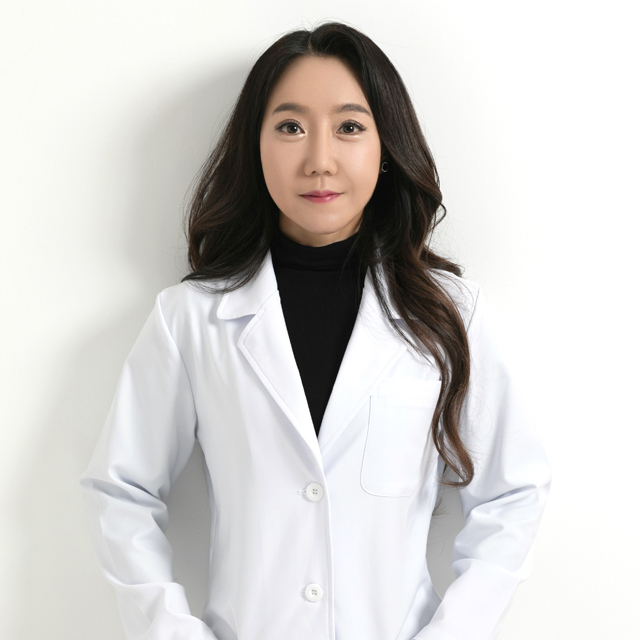
Dr. Min-Jung Kim, KMD, MD
Founder & Lead Practitioner
Dr. Min-Jung Kim Founder & Lead Physician — Kim Min Jung Oriental Medicine Clinic
Dr. Min-Jung Kim holds dual degrees in both Western and Oriental Medicine and is a Harvard Medical School alumna with advanced specialisation in Immunology and Genetics. She is a two-time U.S. Senate Award recipient and brings over 20 years of clinical experience to her practice in Gangnam, Seoul.
Her approach to shoulder pain reflects her unusually broad medical foundation. Where many practitioners focus on a single system, Dr. Kim investigates the convergence of structural, immunological, and genetic factors that contribute to each patient's condition. This allows her to design treatment protocols that are precise, evidence-informed, and individually calibrated.
Dr. Kim's clinical philosophy is straightforward: a shoulder condition that keeps returning has a cause that has not yet been properly identified. Her role is to find it — and address it completely.
**Treatment Areas & Expected Improvements **
Our shoulder pain programme addresses the following anatomical and functional targets:
Rotator Cuff (Supraspinatus, Infraspinatus, Teres Minor, Subscapularis) The four muscles and their associated tendons that stabilise and mobilise the shoulder joint are among the most commonly affected structures in shoulder pain. Inflammation, micro-tearing, and degeneration in these tendons respond well to Electroacupuncture, which stimulates local nerve regeneration and promotes tissue repair through increased circulatory activity. Herbal formulations are used concurrently to support anti-inflammatory regulation from within. Expected improvement: Reduction in pain with arm movement, gradual recovery of lifting strength, decreased tenderness at the rotator cuff insertion points. Results vary based on severity and chronicity of the condition.
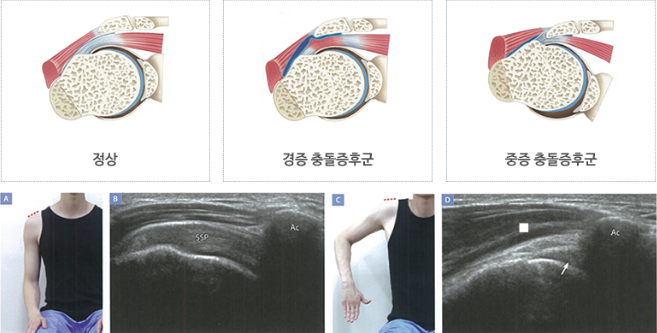
Shoulder Capsule & Connective Tissue (Frozen Shoulder) In adhesive capsulitis, the shoulder capsule thickens and contracts, creating progressively restricted movement and persistent pain. Treatment focuses on reducing capsular inflammation, improving synovial fluid circulation, and gently restoring range of motion through a phased combination of acupuncture and Chuna manual therapy. Expected improvement: Progressive reduction in stiffness, return of functional range of motion, and decreased pain during daily activities. The timeline for frozen shoulder recovery is typically longer and requires consistent treatment across multiple phases.
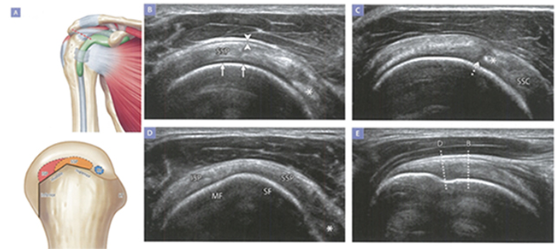
Subacromial Space & Bursa (Impingement & Bursitis) When the subacromial bursa becomes inflamed — due to repetitive overhead movement, postural compression, or trauma — it causes localised pain, swelling, and restricted mobility. Acupuncture and pharmacopuncture are applied to reduce bursaeal inflammation and relieve the mechanical pressure on surrounding tendons. Expected improvement: Reduction in localised shoulder tenderness and swelling, improved comfort during arm elevation, and decreased pain with movement. Individual response varies with the degree of inflammation and any contributing postural factors.
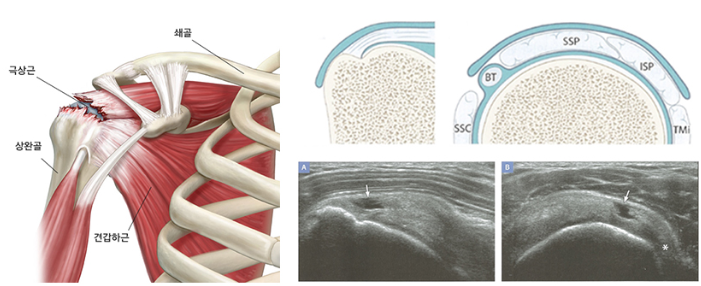
Tendons & Calcium Deposits (Calcific Tendinitis) Calcium deposits within the rotator cuff tendons can cause acute and severe shoulder pain, particularly when they trigger reactive inflammation. Treatment combines targeted needling to stimulate reabsorption and circulation at the deposit site with systemic herbal support for tendon tissue health. Expected improvement: Reduction in acute pain intensity, gradual decrease in reactive inflammation, and improved shoulder mobility. Outcomes depend on the size and location of calcium deposits and individual healing response.
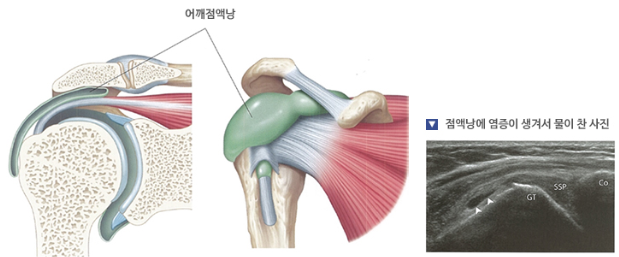
Postural & Muscular Balance Many shoulder conditions are sustained or worsened by muscular imbalances and postural patterns that place the shoulder joint under chronic stress. Physical therapy and Chuna manual therapy address these contributing factors directly, supporting structural realignment and reducing the recurrence risk. Expected improvement: Improved postural alignment, reduced muscular tension around the shoulder girdle, and lower likelihood of symptom recurrence when maintained.
Chuna Therapy & Postural Correction
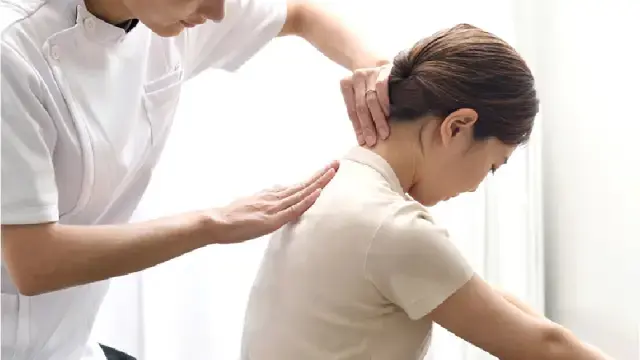
For many patients experiencing shoulder pain, the source of discomfort extends beyond the shoulder joint itself. Postural imbalances, spinal misalignment, and pelvic dysfunction can place sustained mechanical stress on the shoulder girdle — sustaining inflammation, restricting movement, and causing pain to return even after targeted treatment. Chuna Therapy and Postural Correction address these structural contributors directly, forming an essential component of our integrative shoulder care approach.
**⯈ **What Is Chuna Therapy?
Chuna therapy is a manual treatment method rooted in Traditional Korean Medicine. Trained practitioners apply controlled, precise force — using their hands or specialised tools — to correct misaligned joints, restore biomechanical balance, and improve the structural relationships between the spine, pelvis, and surrounding musculature.
As one of the core modalities in Korean medicine, Chuna therapy works on the principle that the body's musculoskeletal system functions as an interconnected whole. When one structure is misaligned — a vertebra, the pelvis, the shoulder joint — compensatory strain is distributed throughout the system. Correcting that misalignment removes the source of mechanical tension, stimulates circulation, and supports the body's natural healing processes.
**⯈ **Benefits of Chuna Therapy
-
Corrects misaligned joints and spinal structures at the source of dysfunction
-
Relieves muscle tension, inflammation, and ligament strain associated with structural imbalance
-
Improves spinal flexibility and restores joint range of motion
-
Addresses root causes of pain rather than managing symptoms alone
-
Safe and well-tolerated, with minimal side effects when performed by a qualified practitioner
**⯈ **Understanding Poor Posture & Its Role in Shoulder Pain
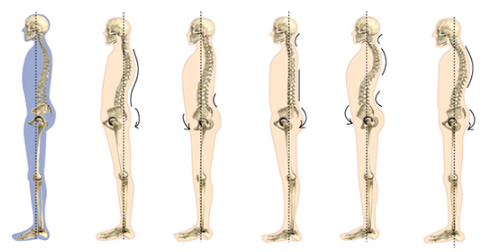
Poor posture is one of the most underappreciated contributors to chronic shoulder conditions. Patients presenting with shoulder impingement, bursitis, or recurring rotator cuff irritation frequently exhibit one or more of the following postural patterns:
-
Forward head posture
-
Rounded shoulders
-
Swayback or flat back posture
-
Kyphosis (upper back rounding)
-
Scoliosis or asymmetrical spinal curvature
These patterns develop gradually — most commonly from prolonged sitting, sedentary habits, lack of targeted exercise, or chronic muscle imbalance. Over time, they alter the mechanics of the shoulder joint, reducing the subacromial space and placing the rotator cuff tendons under repeated compressive load. Without correcting these postural patterns, shoulder pain is likely to persist or recur regardless of other treatment.
**⯈ **The Role of Pelvic Alignment in Shoulder Health
The pelvis is the structural foundation of the entire spine. When pelvic alignment is disrupted, compensatory changes ripple upward through the lumbar spine, thoracic spine, and into the shoulder girdle — creating a chain of dysfunction that can manifest as neck pain, shoulder pain, and reduced upper body mobility.
Common causes of pelvic imbalance include pregnancy and childbirth, habitual leg crossing, uneven weight distribution while standing, carrying heavy loads on one side, prolonged use of high-heeled footwear, and chronic postural habits. Addressing pelvic alignment is therefore an important consideration in the comprehensive management of shoulder pain — particularly in patients whose condition has a postural or biomechanical component.
Potential downstream effects of uncorrected pelvic misalignment include:
-
Neck and shoulder pain from altered spinal mechanics
-
Lower back discomfort from lumbar compensation
-
Hip joint dysfunction
-
Knee and foot alignment issues over time
**⯈ **Postural Correction at Kim Min Jung Oriental Medicine Clinic
Postural correction treatment at our clinic focuses on restoring proper structural alignment through a combination of Chuna manual therapy and targeted muscle balance work. Rather than prescribing generic exercises, our practitioners assess each patient's specific postural pattern and design a correction approach that addresses their individual structural profile.
The effects of postural correction treatment include:
-
Relief of chronic muscle tension throughout the shoulder, neck, and upper back
-
Improvement in spinal alignment and thoracic mobility
-
Correction of pelvic imbalance contributing to upper body dysfunction
-
Better overall posture, movement quality, and daily comfort
-
Sustained reduction in shoulder and neck pain through structural normalisation
At Kim Min Jung Oriental Medicine Clinic, Chuna therapy and postural correction are never applied as standalone interventions. They are integrated into each patient's broader treatment plan — working alongside acupuncture, herbal medicine, and pharmacopuncture to address the full complexity of the shoulder condition from every relevant angle. Structural balance is the foundation on which lasting recovery is built.
**Treatment Process & Timeline **
Step 1 — Initial Consultation Your first appointment begins with a comprehensive intake covering your shoulder condition history, onset, aggravating and relieving factors, prior treatments, and overall health profile. Dr. Kim will also review any imaging results you bring (MRI, X-ray, ultrasound) and may order or recommend further diagnostics where appropriate.
Step 2 — Diagnostic Assessment & Genetic Profiling Kim Min Jung Oriental Medicine Clinic integrates a Genetic Testing Centre into its diagnostic process. Where indicated, genetic and immunological markers are assessed to identify constitutional factors contributing to the shoulder condition — including inflammatory response patterns, tissue repair capacity, and metabolic considerations. This level of diagnostic precision is uncommon in shoulder care and allows for a more targeted treatment design.
Step 3 — Personalised Treatment Plan Based on the clinical picture and diagnostic findings, Dr. Kim designs an individualised treatment protocol. This specifies the combination of modalities to be used, the treatment frequency and duration, and any herbal prescriptions or lifestyle recommendations indicated for your condition.
Step 4 — Active Treatment Phase Treatment sessions typically include one or more of the following, tailored to your condition:
-
Balance Method Acupuncture for immediate meridian-based pain relief
-
Electroacupuncture to stimulate nerve function and reduce deep inflammation
-
Pharmacopuncture with targeted therapeutic substances at precise anatomical sites
-
Chuna manual therapy for structural alignment and capsular mobility
-
Custom herbal decoctions to support tissue repair and immune regulation
Step 5 — Progress Review & Adjustment At scheduled intervals, your response to treatment is assessed and the protocol is adjusted accordingly. Dr. Kim monitors functional progress — range of motion, pain levels, strength, and daily function — alongside subjective experience to ensure the treatment trajectory is on course.
Step 6 — Maintenance & Prevention Once primary recovery goals are reached, a maintenance plan is established to support long-term shoulder health and reduce the risk of recurrence. This may include periodic treatment sessions, herbal support, and specific postural or movement guidance.
**Results, Safety & Longevity **
Traditional Korean Medicine treatments for shoulder pain, as practised at Kim Min Jung Oriental Medicine Clinic, are considered safe for the vast majority of patients when administered by a qualified practitioner. Acupuncture needles are sterile, single-use, and applied with precision. Herbal formulations are prepared and prescribed specifically for each patient's profile, with careful attention to any known contraindications or concurrent medications.
Common and typically temporary side effects of acupuncture include mild localised soreness, bruising, or transient fatigue following a session. Serious adverse effects are rare.
The longevity of results from integrative TKM care is influenced by several factors, including the nature and severity of the underlying shoulder condition, the patient's general health status, how consistently the treatment plan is followed, and whether contributing postural or lifestyle factors are addressed. Conditions such as frozen shoulder and chronic rotator cuff degeneration generally require a longer treatment course than acute presentations.
Patients who engage fully with the recommended treatment frequency and follow lifestyle guidance where provided tend to achieve more durable outcomes. However, no medical treatment guarantees permanent resolution, and individual responses will vary. Dr. Kim will always provide honest, realistic expectations at consultation and throughout the treatment process.
**Why Choose Kim Min Jung Oriental Medicine Clinic for Shoulder Pain Treatment? **
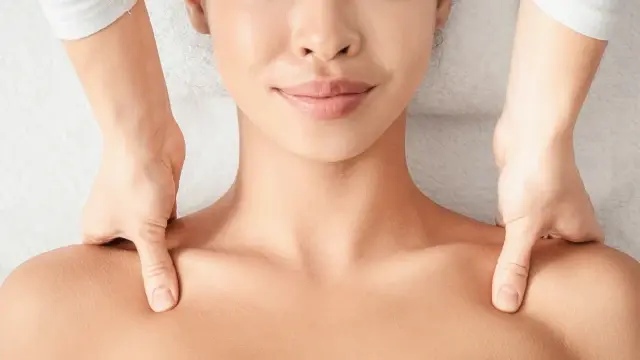
Many clinics treat shoulder pain as a mechanical problem with a mechanical solution. At Kim Min Jung Oriental Medicine Clinic, shoulder pain is treated as what it usually is — a complex condition with structural, physiological, and often systemic contributors that must all be understood before they can be effectively resolved.
Dr. Min-Jung Kim's dual qualification in Western and Oriental Medicine, combined with her advanced training in Immunology and Genetics at Harvard Medical School, allows her to apply diagnostic frameworks that are simply not available in a standard acupuncture or pain management clinic. Her 20-plus years of clinical experience in Gangnam, Seoul, have been built on this foundation — delivering integrative shoulder care to patients from across Korea and internationally.
The clinic's integration of a Genetic Testing Centre further distinguishes its approach. By identifying biological factors that may be driving inflammation, impeding tissue repair, or predisposing a patient to recurring shoulder problems, Dr. Kim can design treatments that address not only the presenting condition but the underlying terrain in which it developed.
**Clinic USPs: **
**⯈ **Root-cause diagnostic process combining Traditional Korean Medicine with Western clinical science and genetic analysis
**⯈ **Precise, multi-modal treatment protocols tailored to each patient's individual condition and health profile
**⯈ **Direct care under Dr. Min-Jung Kim — Harvard Medical School alumna, dual-degree physician, and two-time U.S. Senate Award recipient
**⯈ **Over 20 years of clinical experience in musculoskeletal and integrative medicine
**⯈ **Internationally accessible clinic with experience serving patients from outside Korea
Patient Experiences
Case A — Chronic Rotator Cuff Pain, 48-year-old professional This patient had experienced right shoulder pain for over two years following a sports injury, with persistent weakness and pain when raising the arm above shoulder height. Physiotherapy and anti-inflammatory medication had provided limited and temporary relief. After a full diagnostic assessment and a course of Electroacupuncture combined with herbal medicine, she reported significant reduction in pain and meaningful recovery of overhead reach. She has maintained these gains with periodic sessions. Suggested image: Middle-aged woman reaching comfortably overhead in a bright clinical setting.
Case B — Frozen Shoulder, 55-year-old with diabetes This patient presented with a six-month history of progressively worsening shoulder stiffness and night pain, consistent with adhesive capsulitis. His metabolic history was factored into the diagnostic assessment and treatment design. A phased programme of Balance Method Acupuncture and Chuna manual therapy was implemented over several months, with gradual, sustained improvement in range of motion and a marked decrease in sleep disruption due to pain. Suggested image: Male patient engaging in gentle shoulder mobility movement in a calm clinic environment.
Case C — Calcific Tendinitis, 39-year-old active individual This patient presented with acute, severe shoulder pain that had developed without significant trauma. Imaging confirmed calcium deposits in the supraspinatus tendon. Targeted pharmacopuncture and acupuncture were applied alongside a custom herbal prescription. Acute pain resolved progressively over the initial treatment phase, with longer-term follow-up supporting continued shoulder comfort and function. Suggested image: Active adult in a clinical setting demonstrating shoulder rotation with ease.
**Ready to Address the Real Cause of Your Shoulder Pain? **
If shoulder pain has been limiting your movement, disrupting your sleep, or holding you back from daily activities — it is time for a diagnostic approach that goes deeper than symptom management. At Kim Min Jung Oriental Medicine Clinic, Dr. Min-Jung Kim will conduct a thorough assessment of your condition and design a personalised, integrative treatment plan built around your specific physiological profile and recovery goals. Take the first step toward lasting shoulder recovery today.
Book Your Consultation with Dr. Min-Jung Kim
Prefer to reach us directly? Contact the clinic by phone or through our online enquiry form. Our team will guide you through the booking process and answer any questions about what to expect at your first appointment.
Kim Min Jung Oriental Medicine Clinic — Traditional Korean Medicine | Genetic Testing Centre | Pain & Musculoskeletal Care
Other Services
Explore additional treatments offered by our specialists.

Weight Management Programs
Weight management within Traditional Korean Medicine is not simply about eating less or moving more.
Learn More

Vaginitis
Vaginitis is an inflammation of the vaginal area caused by infection, microbial imbalance, hormonal disruption, or immune vulnerability.
Learn More

Polycystic Ovary Syndrome (PCOS)
Struggling with PCOS? Dr. Min-Jung Kim offers integrative Korean medicine — acupuncture, herbal therapy & metabolic care. Book your consultation today.
Learn More